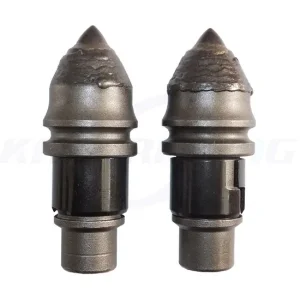
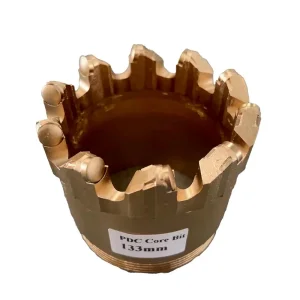
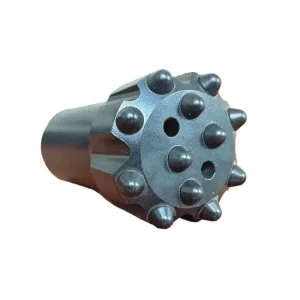
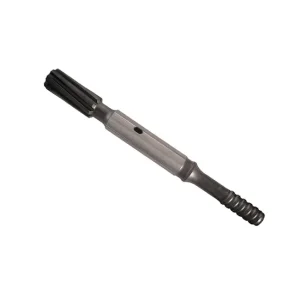
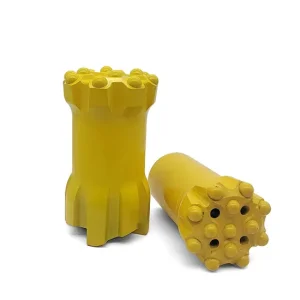
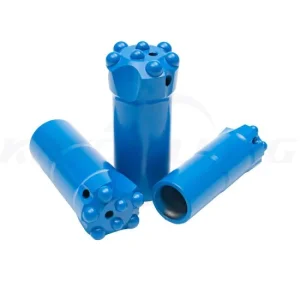
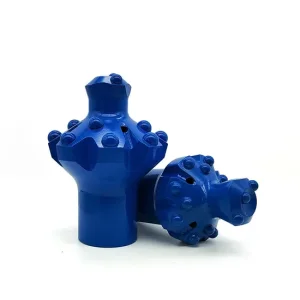
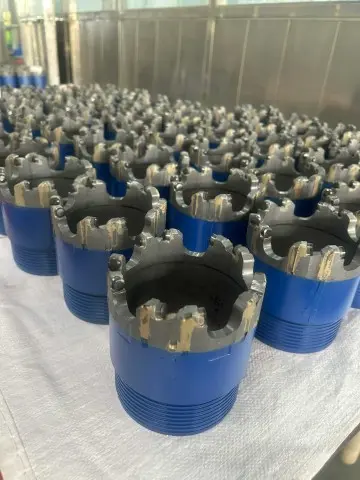
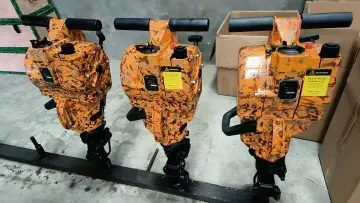
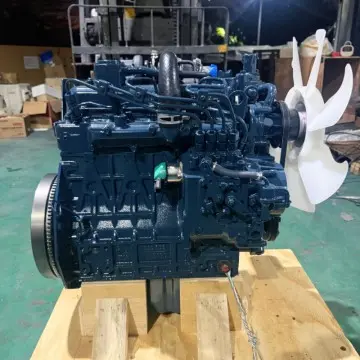
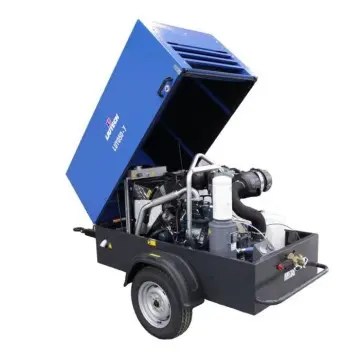
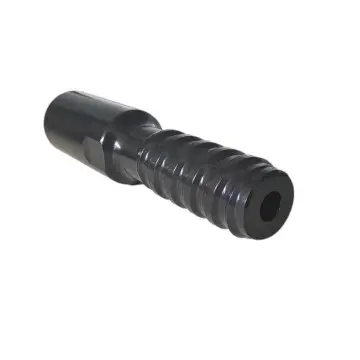
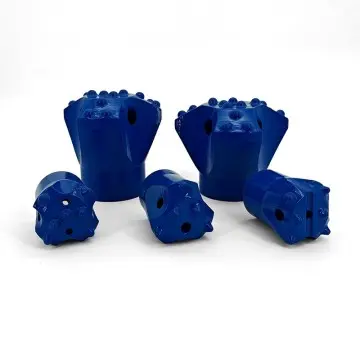
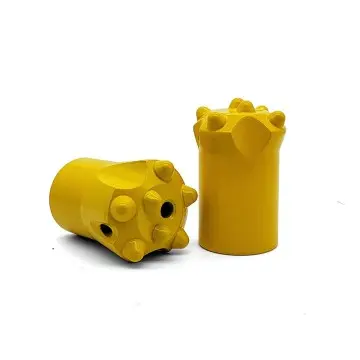
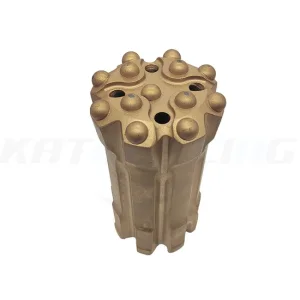
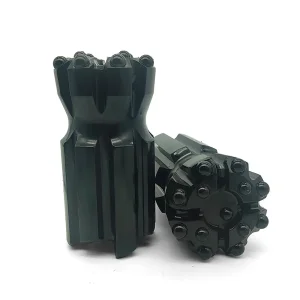
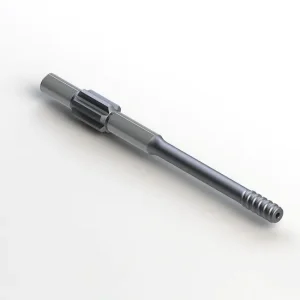
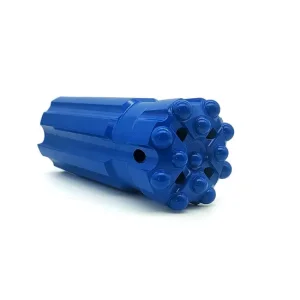
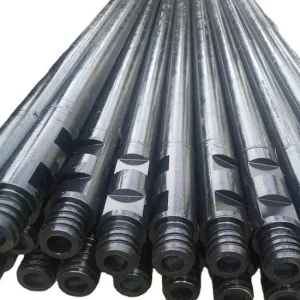
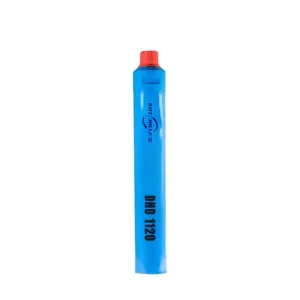
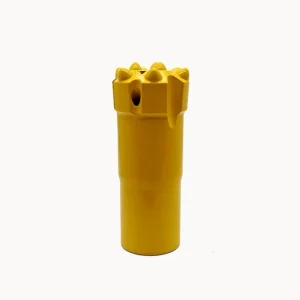
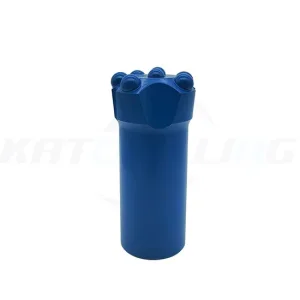
In high-pressure rock fragmentation, civil tunneling, and resource extraction, the PilotDrillBit is the vanguard of drilling precision and kinetic transfer. By drilling a smaller-diameter pilot hole, these specialized tools facilitate secondary reaming or stage-wise hole enlargement, mitigating stress on rock drill rigs and conserving fuel. As deep-well geothermal drilling and deep underground mining advance, requirements for pilot drill bits have evolved from simple geometric guidance to microstructural resilience.
The efficiency of a pilot bit setup directly determines the straightness of the wellbore and the wear life of subsequent reamers. Modern geotechnical formations present high levels of abrasiveness and structural heterogeneity. This necessitates tooling that balances hardness (to resist wear from quartz and silica) and toughness (to survive cyclic mechanical percussion without structural failure).
Traditional drill designs suffer up to a 15% shockwave energy loss at thread junctions and face boundaries. Contemporary pilot systems use finite element analysis (FEA) to align the face geometry and the carbide arrangement with the impact wave of hydraulic hammers. This optimization increases penetration rates (ROP) and decreases structural vibration on top hammer drills.
Global infrastructure investments (deep-sea tunnels, urban metros, large-scale mining developments) have shifted market needs. Procurement agencies prioritize tool sets that integrate with automated computerized drill rigs. Standardizing threads (R32, T38, T45, T51) and shank configurations (e.g., Cop 1240, Cop 1640, Furukawa HD300) has become essential for multi-national fleet management.
Using premium steel alloys such as 23CrNi3Mo ensures high structural strength. This allows tools to withstand high-frequency percussive waves from hydraulic drifters.
Polycrystalline Diamond Compact (PDC) cutters and tungsten carbide button shapes (spherical, ballistic, conical) are optimized for specific rock formations to balance speed and tool longevity.
CNC thread machining prevents loose connections, pressure drops, and thread galling. Correct thread matching reduces stress concentrations in high-load setups.
Procuring rock drilling consumables goes beyond the initial purchase price. In modern mining operations, Total Cost of Ownership (TCO) is the standard metric. Calculating cost per meter drilled ($/meter) accounts for tool price, wear rate, labor costs for bit changes, and fuel consumption during idle periods.
Using a low-quality bit that fails prematurely increases tool costs and exposes crews to risks during bit changes. High-grade pilot bits, reamers, and DTH hammers maintain boring geometry. This consistency prevents rod binding and ensures subsequent casing operations run smoothly.
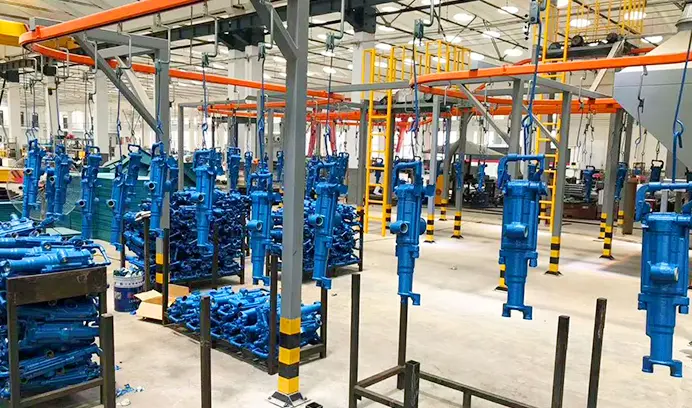
SHANDONG KAT DRILLING TOOLS operates a modern manufacturing facility designed to produce consistent, high-durability tooling. Through automation and digital monitoring, our facility controls variables during the carving, insertion, and hardening phases of production.
By using robot-assisted button insertion and digital induction heat-treatment lines, we achieve uniform carbide bonding and steel hardness profiles. In an industry where a variance of 1 HRC (Rockwell Hardness) can result in premature cracking or soft wear, Factory 4.0 production standards ensure reliable performance across batches.
Additionally, our supply chains are designed to mitigate global trade and logistics risks. Located in Shandong's heavy industrial hub, we have direct access to high-grade steel mills and alloy centers. This integration limits exposure to raw material volatility and shortens lead times for custom orders.





Geological conditions vary widely, demanding different button bit face designs, button profiles, and steel grades. Selecting the correct configuration ensures efficient drilling:
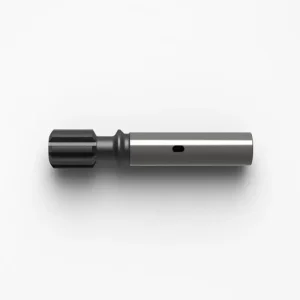
Using the proper shank adapter (such as COP 1240, COP 1640, or Furukawa HD300) ensures efficient energy transfer from the drill rig's piston to the drill rod. An incorrect fit at this junction accelerates heat build-up and leads to thread failure.
Get in touch with Shandong Kat Drilling Tools for custom quotes, technical drawings, or to arrange pilot testing at your site.
Request Custom Pricing & Technical CatalogSHANDONG KAT DRILLING TOOLS is a manufacturer of rock drilling tools based in China. Our product range includes over 500 configurations of rock drilling, mining, and top hammer tools designed for various geological settings.
Our facility houses machining, heat-treatment, and assembly equipment, allowing us to manage quality variables from raw material receipt to finished product. We work with engineering and procurement teams worldwide to supply tooling packages that meet specific project requirements.
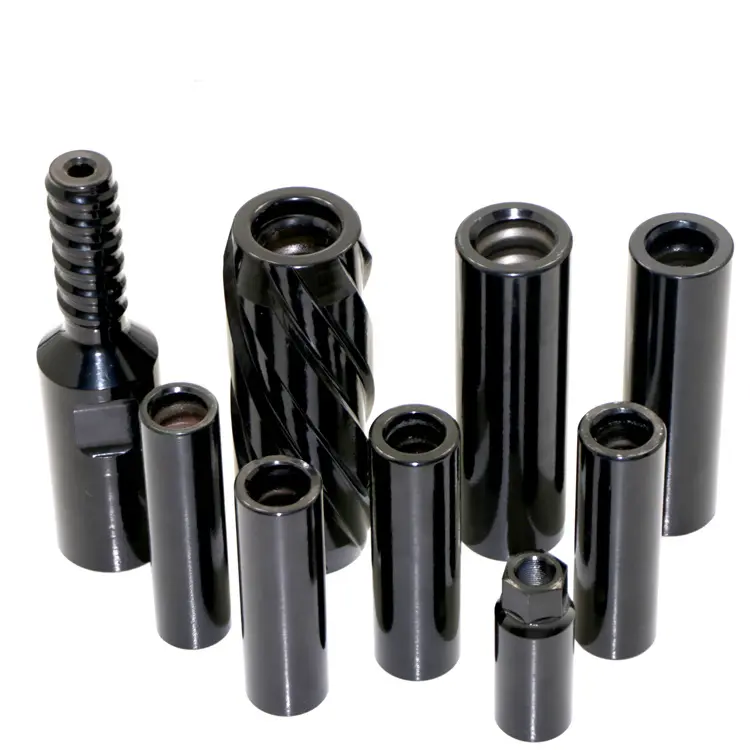
An analysis of torque transfer efficiency in deep drilling setups using R32-to-T38 coupling elements.
Field tests evaluating button design durability and ROP in granite formations with high silica content.
A study on managing stress deformation in COP 1240 and 1640 shank configurations under continuous operation.
 KAT DRILLING