Brief Introductions of Impregnated Diamond Bits
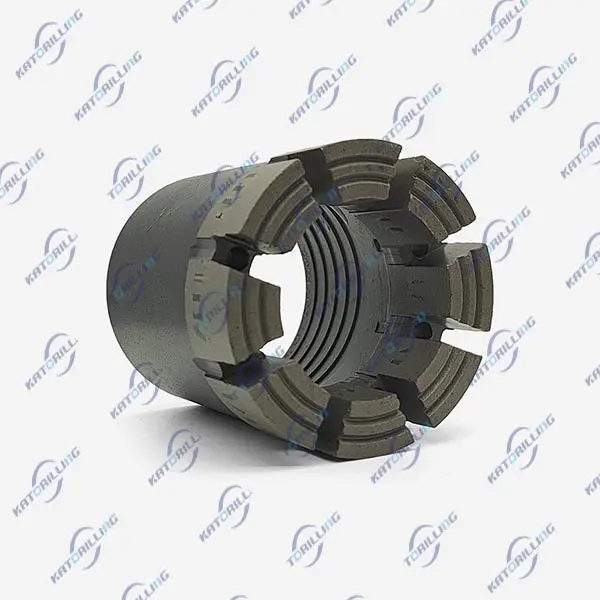
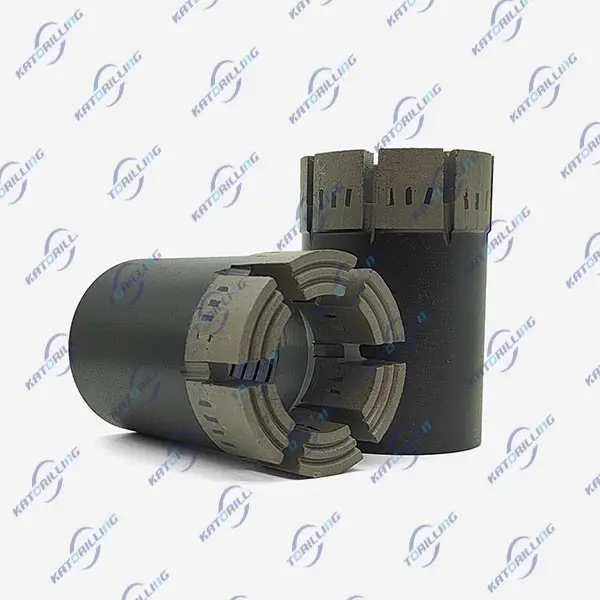
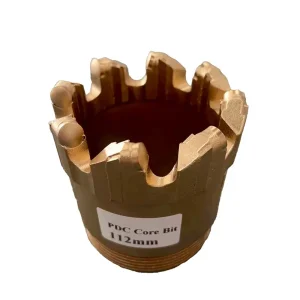
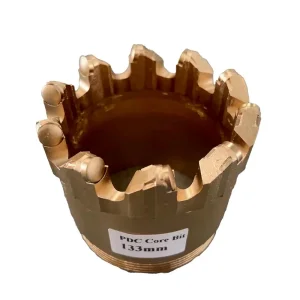
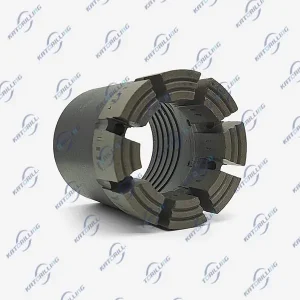
The impregnated diamond bits are cutting tools. They contain diamond segments bonded to a base material. They are widely applied in cutting non-ferrous materials. The selected grades of synthetic diamond of high quality are distributed in the depth of impregnated bit's matrix series.
💎
High-Quality Matrix
The matrix layer of the crown contains a uniform distribution of synthetic diamond crystals embedded in a powdered metal bond.
⛏️
Industry Application
This diamond tool is widely applied in the mineral exploration industry for various geological formations.
The main crown technical parameters of impregnated diamond core bits include diamond grade, size, concentration and quality, matrix hardness and crown shapes. Users can make rational selections according to the formations to be drilled.
⚙️
Wear Resistance
To avoid excessive bit wear, tungsten carbide inserts are used on both sides of the waterways, and gage stones are designed to be slightly larger for enhanced durability.
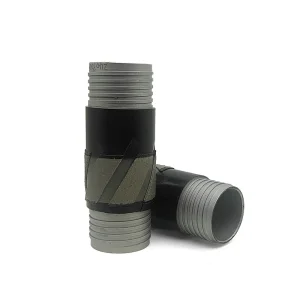
Sizes of Core Bits and Reaming Shells
| Model |
Core Bit (Outside Diameter) |
Core Bit (Inside Diameter) |
Reaming Shell (Outside Diameter) |
| Inches |
mm |
Inches |
mm |
Inches |
mm |
| BTW | 2.345 | 59.56 | 1.667 | 42.1 | 2.36 | 59.95 |
| NTW | 2.965 | 75.31 | 2.218 | 56.1 | 2.98 | 75.7 |
| HTW | 3.762 | 95.57 | 2.809 | 71.1 | 3.783 | 96.09 |
| AC(AQ) | 1.875 | 47.63 | 1.062 | 26.97 | 1.89 | 48.01 |
| BC(BQ) | 2.345 | 59.56 | 1.433 | 36.4 | 2.36 | 59.95 |
| BC3(BQ3) | 2.345 | 59.56 | 1.32 | 33.53 | 2.36 | 59.95 |
| NC(NQ) | 2.965 | 75.31 | 1.875 | 47.63 | 2.98 | 75.7 |
| NC3(NQ3) | 2.965 | 75.31 | 1.775 | 45.08 | 2.98 | 75.7 |
| HC(HQ) | 3.762 | 95.57 | 2.5 | 63.5 | 3.783 | 96.09 |
| HC3(HQ3) | 3.762 | 95.57 | 2.406 | 61.11 | 3.783 | 96.09 |
| PC(PQ) | 4.805 | 122.05 | 3.345 | 84.96 | 4.828 | 122.65 |
| PC3(PQ3) | 4.805 | 122.05 | 3.27 | 83.06 | 4.828 | 122.65 |
| T2-56 | 2.205 | 56 | 1.642 | 41.7 | 2.217 | 56.3 |
| T2-76 | 2.992 | 76 | 2.429 | 61.7 | 3.004 | 76.3 |
| T2-86 | 3.385 | 86 | 2.823 | 71.7 | 3.398 | 86.3 |
| T2-101 | 3.976 | 101 | 3.295 | 83.7 | 3.988 | 101.3 |
| T6-101 | 3.976 | 101 | 3.11 | 79 | 3.996 | 101.5 |
| T6-131 | 5.157 | 131 | 4.252 | 108 | 5.157 | 131.5 |
Frequently Asked Questions
What are the primary applications of impregnated diamond bits?
They are mainly used as cutting tools for non-ferrous materials and are widely utilized throughout the mineral exploration industry.
How is the diamond content distributed in these bits?
High-quality synthetic diamonds are uniformly distributed throughout the depth of the bit's matrix layer, embedded in a specialized powdered metal bond.
What technical parameters should be considered when selecting a bit?
Key parameters include diamond grade, size, concentration, quality, matrix hardness, and the specific shape of the crown.
How do you prevent excessive wear on the core bits?
Wear is minimized by using tungsten carbide inserts on both sides of the waterways and using slightly larger gage stones to maintain the bit's integrity.
Can I choose a bit based on specific ground conditions?
Yes, users can make rational selections of matrix hardness and crown shapes according to the specific geological formations to be drilled.
What range of sizes are available for these diamond tools?
The bits are available in a wide range of standard models including BTW, NTW, HTW, AQ, BQ, NQ, HQ, PQ, and various T2 and T6 series.
 KAT DRILLING