High Performance Under Critical South Pacific Geotechnical Demands
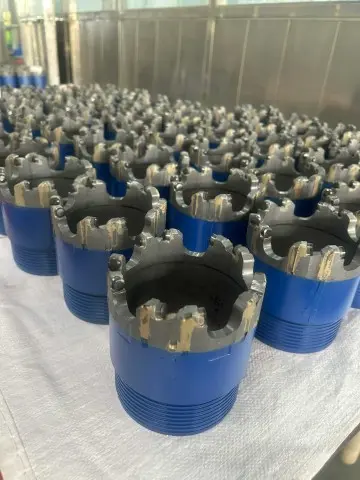
Precision-engineered with premium polycrystalline diamond compact (PDC) cutters, specifically designed to slice through highly abrasive marine carbonates and limestone matrices without losing core integrity.
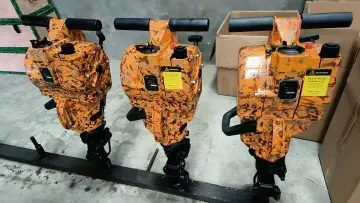
Self-powered internal combustion drill that requires no external air compressor. Perfect for remote outer island projects, seawall reinforcements, and localized utility installations across Kiribati's atolls.
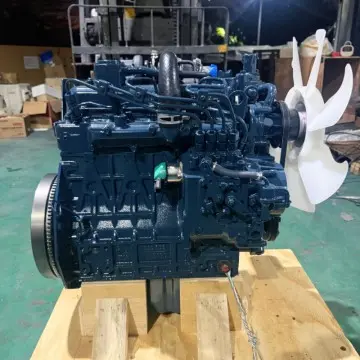
High-torque, water-cooled vertical diesel engine optimized for marine environmental salinity. Delivers unwavering hydraulic power for coring and water well drilling rigs in coastal Tarawa.
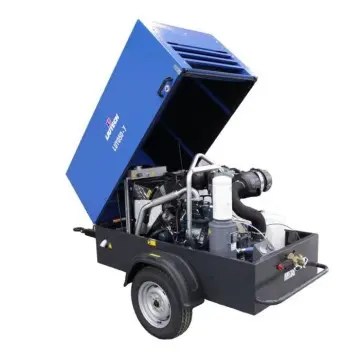
Equipped with robust, low-maintenance screw elements and heavy-duty chassis to withstand saltwater exposure during offshore exploration and coastal anchor installations.
Navigating Atoll Formations, Coastal Infrastructure Development, and Water Well Construction
Kiribati's unique geography—spanning 33 atolls and reef islands across millions of square kilometers of the central Pacific Ocean—presents distinct engineering and drilling challenges. Unlike continental landmasses, the geological profile of Kiribati is composed predominantly of young, porous biogenic carbonate rocks, coral debris, sand, and highly variable limestone formations overlaying deep volcanic sea-mounts. For engineering contractors, infrastructure developers, and municipal water authorities, selecting the appropriate drilling tools is not just a matter of productivity; it is a critical operational survival factor.
Drilling in Tarawa, Kiritimati (Christmas Island), or the outer islands requires tools designed to handle structural voids, loose coral sands, and hard basaltic formations. Carbonate sands are highly abrasive, wearing down tool matrices prematurely if the bond hardness is not perfectly calibrated. When drilling for freshwater lenses or carrying out geotechnical site investigations for port expansions and coastal protection seawalls, tool failure translates into costly delays due to long shipping lead times from international ports.
Moreover, the proximity to sea levels guarantees exposure to high-salinity groundwater. Standard tools undergo rapid electrochemical oxidation, leading to stress-corrosion cracking and thread galling. SHANDONG KAT DRILLING TOOLS addresses these issues directly by incorporating specialized metallurgical formulations, corrosion-inhibiting surface treatments, and marine-optimized diamond matrices designed to maintain cutting structural integrity in brine-saturated environments.
In Kiribati's soft-to-medium limestone strata, Polycrystalline Diamond Compact (PDC) cutters provide a shearing mechanism that achieves high penetration rates (ROP) with minimal weight-on-bit (WOB). This reduces fuel consumption on local drilling rigs, which is crucial given the high cost of imported diesel. However, when drilling hits underlying volcanic basalt foundations or chert inclusions, impregnated diamond core bits with customized matrix hardness ratings are required to prevent diamond stripping and catastrophic tool wear.
Forty Years of Global Manufacturing and Geotechnical Expertise
Decades of refining metallurgical structures and diamond bonding technologies. Our deep engineering expertise translates to higher tool life and lower drilling costs per meter.
Our bits optimize flush-hole designs and waterway profiles, ensuring quick debris removal in sticky carbonate formations and preventing core blockages.
An ISO 9001 certified manufacturing facility in China utilizes state-of-the-art sintering furnaces and CNC machining, guaranteeing tight tolerances for thread connections.
From top-hammer button bits and DTH hammers to casing systems and impregnated diamond core bits, we supply full-package setups for all drilling depths.
Procuring diamond drilling tools from Shandong, China, provides distinct competitive advantages for South Pacific buyers. The Shandong industrial manufacturing corridor represents the global pinnacle of diamond synthesis and precision metallurgical tooling production. By sourcing directly from our factory, Kiribati engineering firms bypass intermediary markups, securing access to high-grade tools at optimized pricing structures.
Furthermore, we understand the logistical complexities of shipping to Tarawa Port. Standard shipping boxes fail in humid, marine transit conditions, causing rust on arrival. We apply localized export packaging protocols, including vacuum-sealed rust-preventative bags, wax coatings on threaded connections, and heavy-duty reinforced wooden crates to withstand multi-port transshipment delays.
Our tools are actively deployed in critical regional applications:
Calibrated Core Recovery & Geotechnical Tools for South Pacific Strata
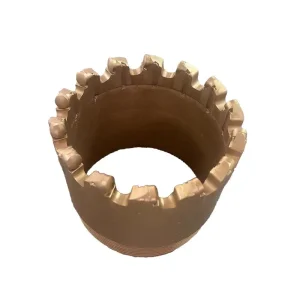
Engineered for large-diameter soil sampling and coral limestone core recovery in coastal infrastructure zones.
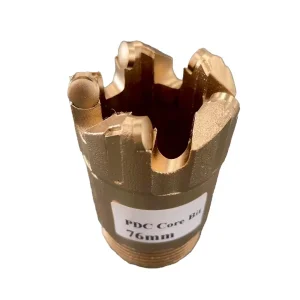
Designed for high penetration rates in soft to medium sandstone and biogenic carbonate sands.
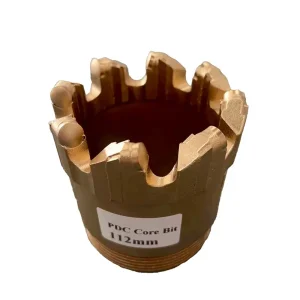
Offers superior matrix durability for continuous soil testing and stratigraphic analysis in shoreline sediments.
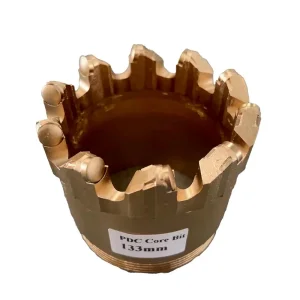
High-performance cutter density optimized for medium abrasive coral structures and mixed volcanic gravels.
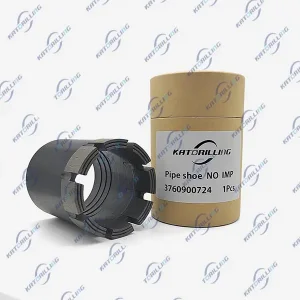
Heavy-duty casing shoe to protect your drill string when traversing loose surface sand and collapsing coral silt.
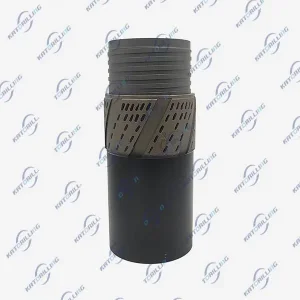
Ensures perfect borehole caliber and gauge retention in abrasive, complex carbonate geologies.
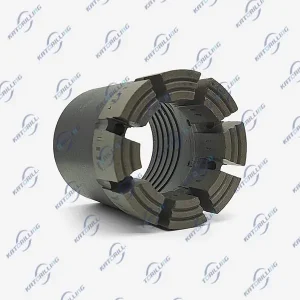
Manufactured with premium synthetic diamond grit distributed uniformly through a wear-resistant metal matrix.
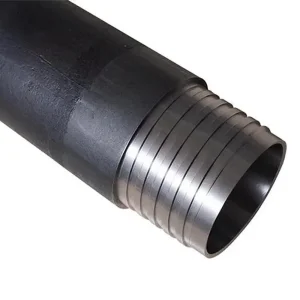
High-tensile alloy steel tubing, heat-treated and threaded to withstand extreme bending forces in marine environments.
The global push for climate adaptation infrastructure is driving intense research into low-environmental-impact drilling. In fragile ecosystems like the South Pacific atolls, drilling fluids and tool designs must minimize disruption to surrounding marine life and freshwater lenses. The integration of high-fluid-volume waterways within diamond matrices allows drillers to use clean water flushing, reducing or completely eliminating the need for bentonite or chemical additives that could leech into pristine marine ecosystems.
Additionally, material science is progressing toward "hybrid" bit configurations that combine PDC and diamond impregnated components on a single crown. This design allows operators to seamlessly cross boundary lines between soft sediment overburden and hard coral-derived volcanic rock formations without pulling the rod string, reducing tripping times and overall energy consumption.
Technical & Logistical Support for Kiribati Geotechnical Buyers
For porous coral limestone, PDC (Polycrystalline Diamond Compact) core bits are highly recommended due to their sharp cutting actions which shave through soft carbonate deposits quickly and efficiently. If the formation contains hard, dense coral structures or volcanic basalt inclusions, impregnated diamond bits with a soft matrix bond (Series 2 to 6) are optimal. A soft matrix allows the worn diamond grits to shed and continuously expose fresh, sharp diamonds to prevent the bit from polishing.
All of our export products undergo a rigorous rust-prevention process. Prior to packing, threaded areas are coated with high-grade anti-corrosive grease. The entire tool is wrapped in heavy-duty oil paper and vacuum-sealed in moisture-barrier plastic bags. Finally, the tools are secured in export-grade, IPPC-certified wooden crates lined with waterproof barriers to ensure they arrive at Tarawa Port in pristine, ready-to-work condition.
Yes. As a direct manufacturer, we offer fully customized engineering services. Based on your project's stratigraphic column reports or physical rock samples, our R&D department can design specialized diamond concentrations, bond hardness levels, and optimized water flushing paths (e.g., extra-wide channels or face-discharge profiles) to maximize penetration speeds and tool life in specific formations.
Standard manufacturing times range from 15 to 25 days depending on the order size. For shipment, we coordinate with major international ocean freight carriers departing from Qingdao or Shanghai, transshipping via main Pacific hubs (such as Suva, Fiji, or Auckland, New Zealand) onward to Tarawa. Total shipping transit times typically run between 35 and 50 days. We provide comprehensive tracking information from factory gates to Tarawa customs.
Absolutely. All our tools (NQ, HQ, PQ, BQ, and standard metric profiles) are manufactured in strict accordance with DCDMA, Craelius, and ISO industry standards. Threads, dimensions, and coupling systems are 100% interchangeable with standard drill rigs and equipment worldwide, eliminating compatibility concerns on-site.
 KAT DRILLING