The Democratic Republic of Congo (DR Congo) holds some of the world’s most extensive deposits of high-grade copper and cobalt. As open-pit operations progressively transition to underground mining in mineral-rich zones such as Kolwezi, Likasi, and Lubumbashi, the demand for rugged, high-frequency, and low-maintenance rock excavation solutions has intensified. Pneumatic air-leg rock drills remain the primary baseline engineering apparatus for underground drift development, gallery cross-cutting, and rock stabilization.
In these demanding geological formations—where weak volcanic clays often interface with highly abrasive copper-cobalt ores—standard pneumatic machinery faces severe operational challenges. Without optimized shockwave transmission, precision water-flushing, and reliable structural anchoring, tools can suffer premature mechanical failure. This comprehensive industry report details how our heavy-duty rock drills and advanced anchoring configurations can mitigate downtime and maximize drilling efficiency across DR Congo’s underground operations.
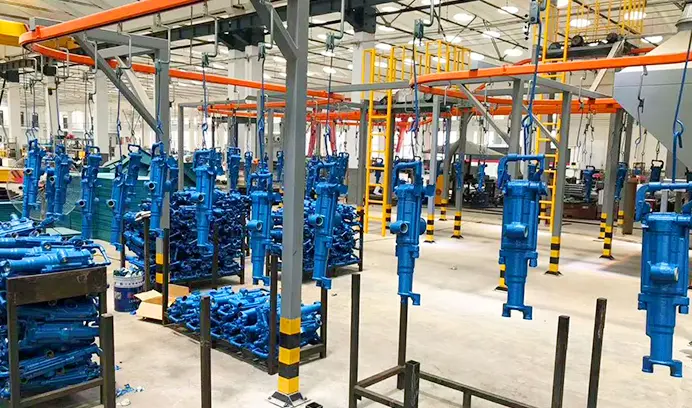

Our deep manufacturing expertise is integrated into every rock drilling tool, ensuring consistent field performance.
Optimized energy transfer delivers excellent hole quality, lowering the overall cost per meter drilled.
Manufactured in facilities utilizing advanced CNC machinery, state-of-the-art heat treatment, and raw material controls.

We provide Top-Hammer and DTH equipment for diverse applications, including underground mining, tunneling, and quarrying.
Heavy-duty pneumatic rock drills like the YT28, YT29A, and S250 operate under harsh conditions where moisture, dust, and varying air pressures impact performance. Our pneumatic design focuses on three key engineering pillars:
Our air-leg rock drills are engineered with a larger cylinder diameter and a shorter stroke piston, maximizing impact frequency to reach up to 37 Hz. This design delivers efficient energy transmission, allowing carbide bits to fracture hard rock without overloading the drill steel.
To protect workers from respirable crystalline silica and clear cuttings from the hole, our drills feature a concentric water-flushing system. The water tube delivers high-pressure water directly to the bit face, keeping it cool and clearing debris to prevent jamming.
| Technical Indicator / Parameter | YT28 Air-Leg Drill | S250 Heavy-Duty Drill | YT29A High-Frequency Drill |
|---|---|---|---|
| Net Weight | 26 kg | 32 kg | 29 kg |
| Air Consumption (at 0.5 MPa) | ≤ 81 L/s | ≤ 92 L/s | ≤ 85 L/s |
| Bore Diameter Range | 34 - 42 mm | 38 - 48 mm | 34 - 45 mm |
| Max Drilling Depth | 5 m | 8 m | 6 m |
| Shank Dimension | Hex 22 × 108 mm | Hex 22/25 × 108 mm | Hex 22 × 108 mm |
Technical Note: For maximum drill life in Congolese mines, ensure your compressed air supply maintains a dynamic pressure of at least 0.5 to 0.63 MPa and configure inline lubricators with high-viscosity rock drill oil.
The Democratic Republic of Congo contains vast mineral reserves, but exploiting these deposits presents significant technical challenges. Underground operations in areas like Kipushi, Ruashi, and Kolwezi require precise geotechnical support. Standard mining methods are often complicated by unstable wall rock and changing hydro-geological conditions.
The Central African Copperbelt is characterized by sedimentary formations, including siltstones, dolomitic shales, and quartzites. These geological conditions present specific challenges for pneumatic drilling:
Implementing single-pass self-drilling anchor systems reduces ground support cycle times by up to 45% compared to multi-step methods, improving safety by minimizing worker exposure under unsupported roofs.
While modern mining increasingly moves toward automation, pneumatic air-leg rock drills remain critical for underground mines in DR Congo. Their mechanical simplicity allows for rapid maintenance and troubleshooting in remote locations. YT28 and S250 drills can be maintained on-site with basic toolsets, reducing dependence on specialized external technicians.
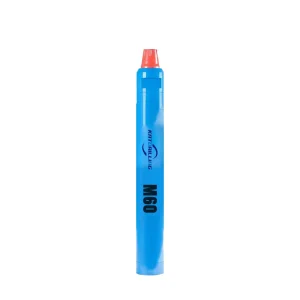
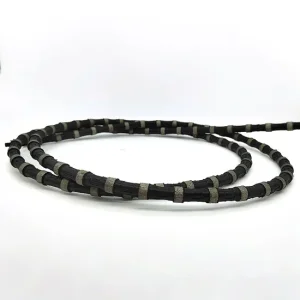
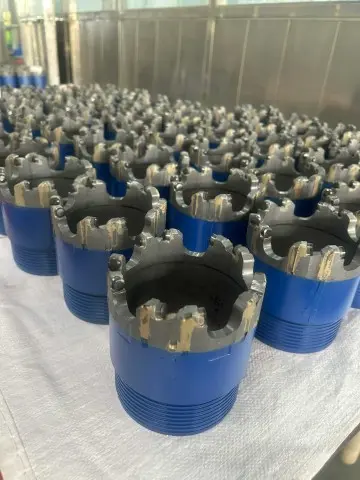
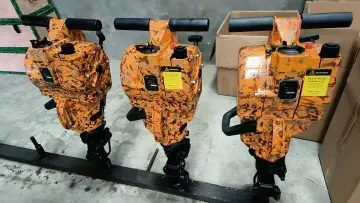
As a specialized manufacturer of rock drilling tools in China, Shandong Kat Drilling Tools holds a leading position in production capacity and technology. We produce over 500 types of products, supporting various top-hammer and DTH drilling configurations for underground mining, tunneling, quarrying, and slope stabilization.
Our factories use modern electric furnace smelting and advanced heat treatment technologies. By using high-grade alloy steel like 20CrNiMo and 95CrMo, our drill rods and shank adapters maintain high core toughness and surface hardness, helping prevent operational failures under high impact forces.
We manage all logistics paths to the DR Congo copperbelt, including routes from Chinese ports to Dar es Salaam or Durban, ensuring reliable supply chains and consistent delivery for major mining companies in Kolwezi and Lubumbashi.

Years Drilling Manufacturing
Product Types in Catalog
Exporting Countries Globally
Technical Mining Support
Successful rock reinforcement in DR Congo depends on both high-quality materials and correct installation procedures. Working in environments with warm mine temperatures and humid conditions requires careful attention to material storage, handling, and safety standards:
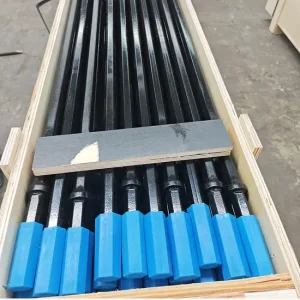
High relative humidity in underground environments can accelerate surface oxidation of stored drill steel. We apply a protective anti-corrosion grease coat to all export-bound anchor bolts and drill rods, and ship them in heavy-duty wooden crates to preserve thread integrity.
In weak shales or fractured ground, the water-to-cement ratio of the grout is critical. We recommend a ratio between 0.4 and 0.5, using a specialized colloidal mixer to ensure uniform suspension and prevent air voids in the hollow anchor bar.
We provide training guidelines for mine operators to improve both drilling efficiency and safety. Our training focuses on maintaining correct alignment between the air-leg and the rock drill to minimize lateral stress, reduce piston wear, and prevent rod breakage.
Our drills use high-frequency impact piston dynamics designed to fracture hard rock efficiently. By combining high-tensile alloy steels with precise water-flushing, they maintain consistent penetration rates while minimizing bit wear in tough formations.
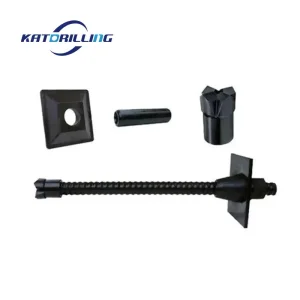
Conventional anchoring requires separate drilling, rod extraction, and anchor insertion steps. Self-drilling anchor bolts combine these into a single operation by utilizing a hollow bar that acts as both the drill string and the grout pipe, saving installation time in fractured ground.
We use high-grade structural alloy steel with specialized carburization heat treatment. This process creates a hard wear-resistant surface shell while maintaining a ductile core, helping the bars resist bending and torsional fatigue under high impact loads.
We work with established logistics partners to coordinate shipments from Chinese ports to key ports of entry like Dar es Salaam or Durban, managing transport and customs documentation for deliveries to mining centers like Kolwezi and Lubumbashi.
For high ambient temperatures, we recommend ISO VG 100 or 150 grade rock drill oil. Consistent lubrication protects internal components, maintains cylinder compression, and helps prevent overheating during extended operations.
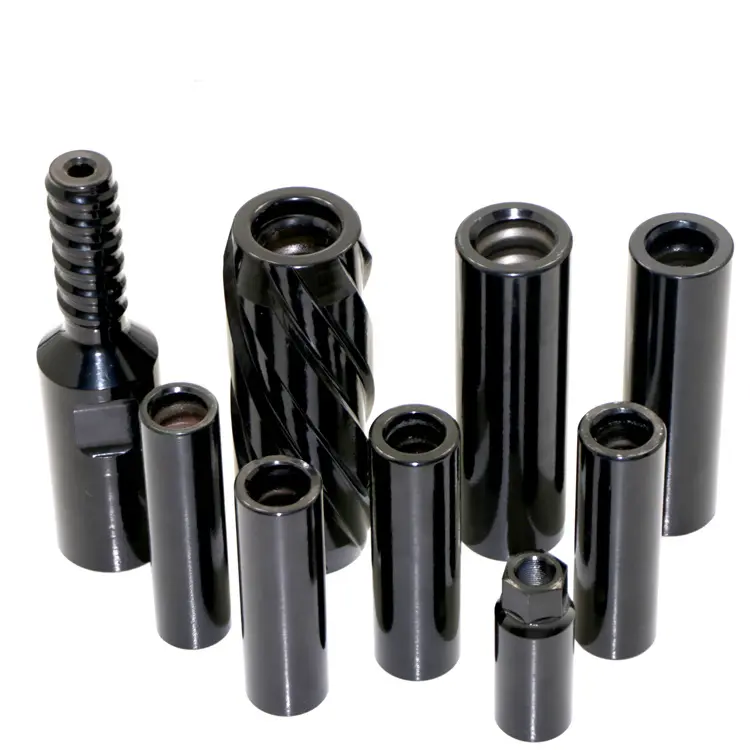
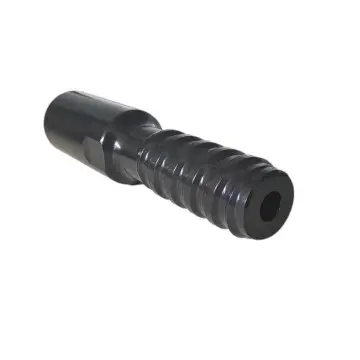
Recent engineering updates on our coupling sleeves show a significant increase in fatigue resistance, extending thread life in heavy-duty drilling applications.
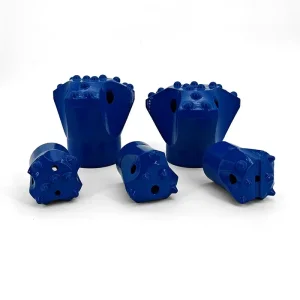
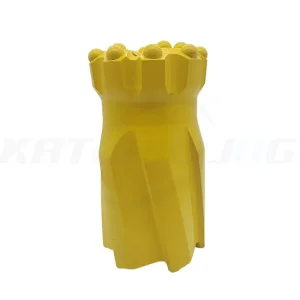
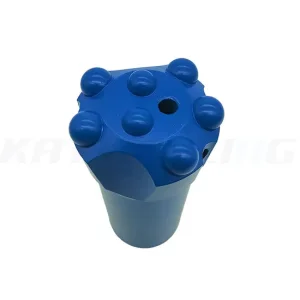
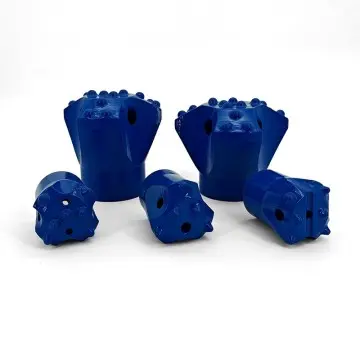
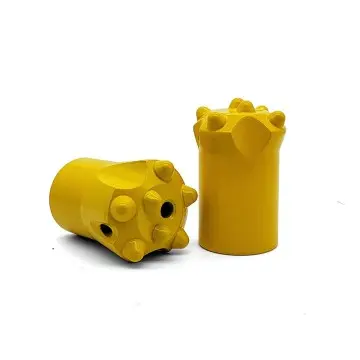
Our updated R32 button bits feature a new profile layout and premium tungsten carbide button configurations, designed to optimize face drilling efficiency.
Contact our engineering and sales teams for detailed technical specifications, bulk price quotes, or to request custom structural anchor layouts tailored to your mining project.
Send Inquiry Now KAT DRILLING