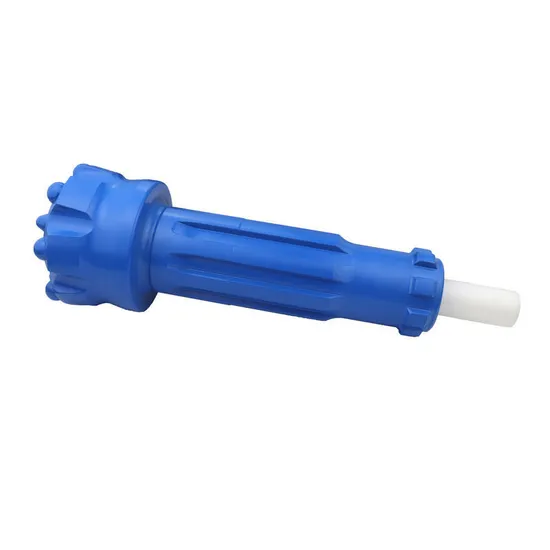
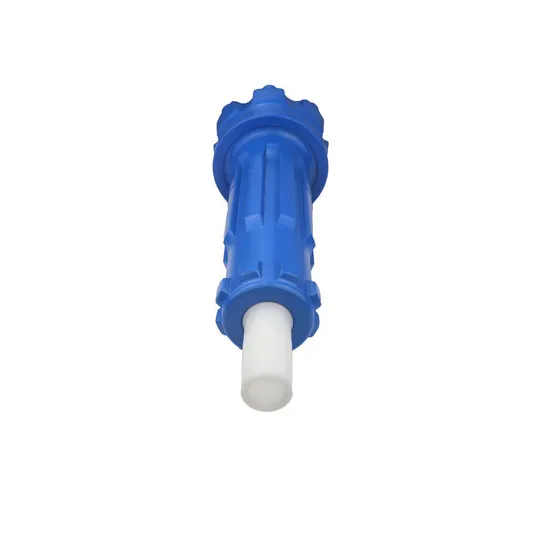
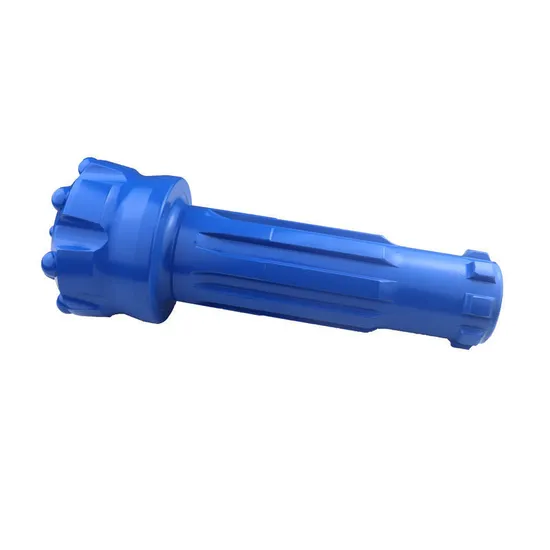
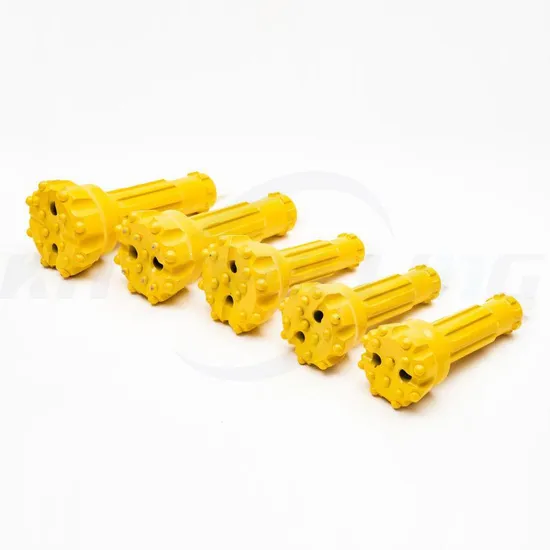
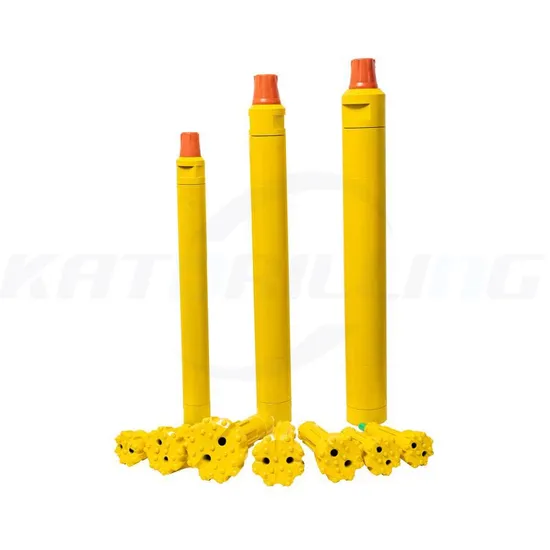
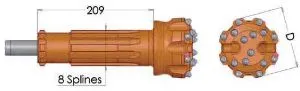
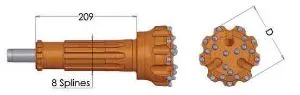
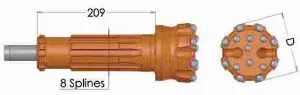
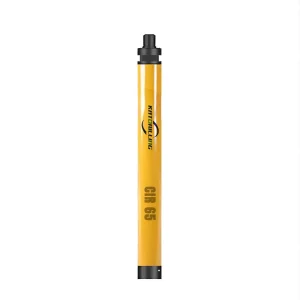
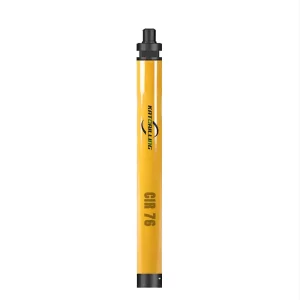
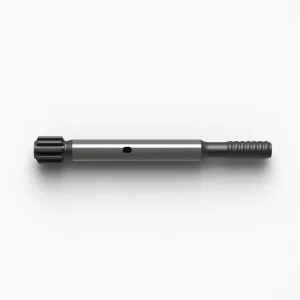
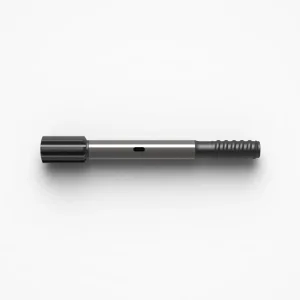
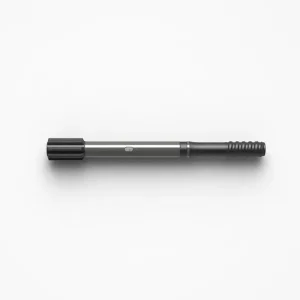
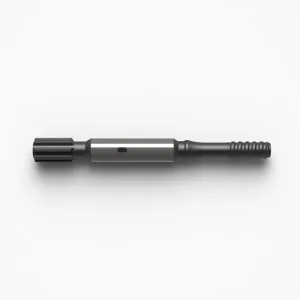
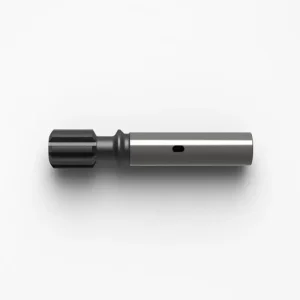
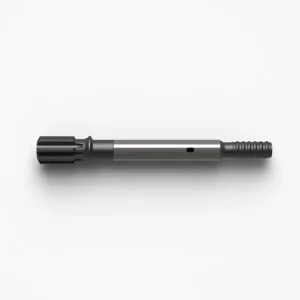
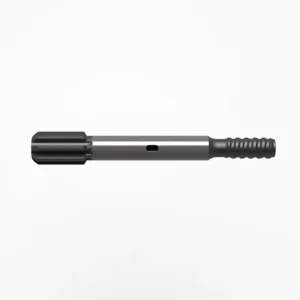
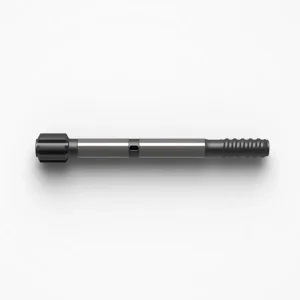
Because of economy and powerful drilling capacity, down the hole hammer become an advanced drilling tool for drilling and mining industries. Down the hole hammers and drill bits are designed together to work in perfect unison, giving high penetration rates, long service life and low costs.
- Deliver maximum energy to drilling bit, fast drilling speed and low air consumption due to the special inner structure of HD series DTH hammer.
- Smooth performance and long service life due to high quality alloy steel materials and advanced processing technology.
- Low problem rate and easy to maintenance due to simple, reliable inner structure.
- Easy to depart bit from hammer due to multihead thread connecting chuck and cylinder.
- Interchangeable with DTH bit and drill pipe.
Frequently Asked Questions
What material is used for the DHD 340 button bits?
The bits are manufactured using high-quality Carbon Steel and premium Tungsten Carbide (YK05 or T6) to ensure maximum durability and wear resistance in harsh rock conditions.
Which industries are these DTH tools suitable for?
They are ideal for a wide range of applications including mining, mineral exploration, water well drilling, oil well drilling, bench drilling, and various civil engineering projects.
How does the drilling speed compare to standard bits?
Due to the advanced inner structure and energy transfer design, these DTH bits can penetrate 15% to 30% faster than conventional drilling tools while maintaining lower air consumption.
Are these bits compatible with different hammer models?
Yes, our DTH bits are designed to be interchangeable with various DTH hammers and drill pipes, including compatibility with DHD, SD, QL, and M series shanks.
What is the standard packaging for international shipping?
All products are securely packed in professional wooden cases to prevent damage during transport, ensuring they arrive at your site in perfect condition.
Do these bits require a foot valve?
The robust design of these specific DTH bits allows for efficient operation where a foot valve is not required in the bit, reducing maintenance complexity and part failure risks.
 KAT DRILLING