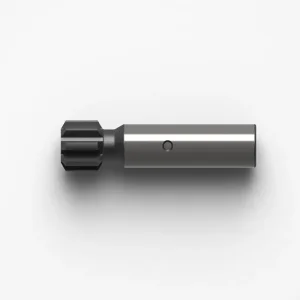
Hexagonal Steel Overview
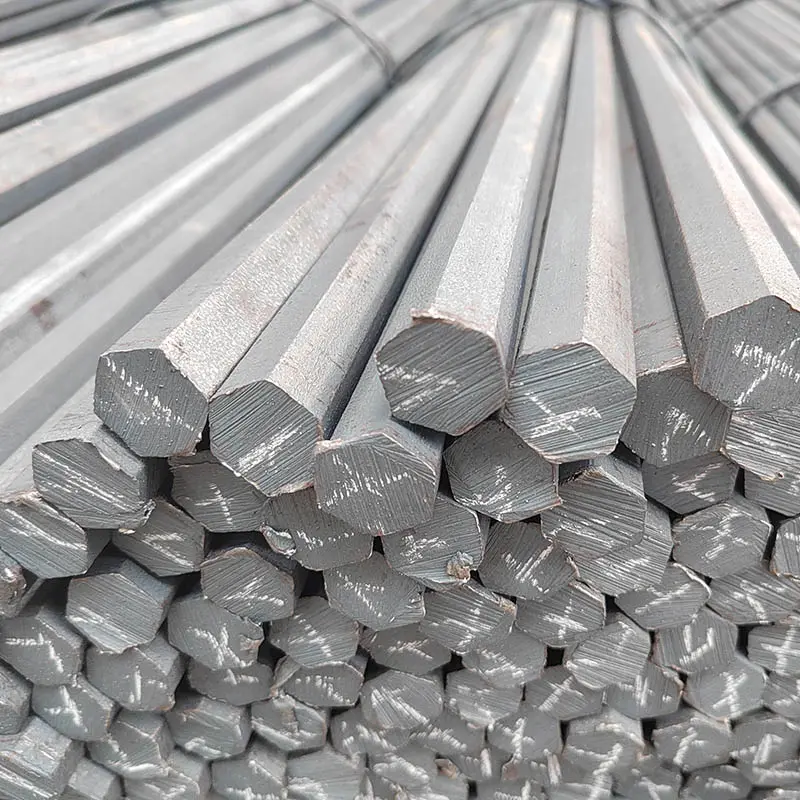
Hexagonal steel, also known as hex steel, is a premium steel product characterized by its unique hexagonal cross-section. It is highly valued in industrial applications for its structural integrity and precision.
1 Definition and Shape
- Named for its unique hexagonal cross-sectional shape.
- Six equal-length sides with 120-degree adjacent angles.
- Presents a highly regular and balanced structural geometry.
Manufacturing Process
2 Primary Production Methods
- Hot Rolling: Steel billets are heated to high temperatures and passed through specific rolling mills to achieve the hexagonal form.
- Cold Drawing: Performed at room temperature through a die to achieve higher precision, superior surface smoothness, and enhanced mechanical properties.
Industrial Applications
- Construction: Used in steel structures, roofs, and bridges for better connection stability.
- Mechanical Manufacturing: Essential for screws, nuts, and various shafts requiring torque transmission.
- Automobile Industry: Applied in engine shafts and transmission parts to meet high-strength requirements.
- Other Fields: Agricultural machinery, railway track fasteners, and communication towers.
Key Advantages
- High Strength: Excellent mechanical properties and stability in all directions.
- Good Processability: Easy to cut, weld, drill, and thread for diverse industrial needs.
- Space Efficiency: The hexagonal shape allows for compact arrangements and higher utilization rates in limited spaces.
Common Materials & Grades
C Carbon Steel
- SAE 1045: Medium strength and good machinability for general parts.
- SAE 1070: High-carbon steel with excellent wear and fatigue resistance.
- 65Mn: High-carbon manganese steel known for elasticity and toughness.
A Alloy Steel
- 40Cr: Widely used for structural parts like gears and bolts.
- 42CrMo: High hardenability for high-reliability components.
- 35CrMo: Excellent performance under high temperature and pressure.
S Stainless Steel
- 304: Standard austenitic stainless steel with excellent corrosion resistance.
- 316: Enhanced corrosion resistance for marine and chemical environments.
- 2205: Duplex stainless steel for harsh corrosive oil and gas applications.
Frequently Asked Questions
Q: What is the main advantage of the hexagonal shape in steel?
A: The hexagonal shape provides excellent torque transmission for fasteners and offers superior stability and connection points in structural engineering compared to round or square profiles.
Q: How does cold drawing differ from hot rolling for hex steel?
A: Hot rolling is used for bulk shaping at high temperatures, while cold drawing is a secondary process that provides much tighter dimensional tolerances and a smoother, polished surface finish.
Q: Can hexagonal steel be used in corrosive environments?
A: Yes, by selecting stainless steel grades like 304, 316, or 2205, hexagonal steel can be used in food processing, marine engineering, and chemical industries where corrosion resistance is critical.
Q: What industries most commonly use hexagonal steel?
A: It is widely used in automotive manufacturing (engine shafts), construction (steel structures), and machinery manufacturing (industrial fasteners and bolts).
Q: Is hexagonal steel easy to machine?
A: Yes, hexagonal steel is highly processable. It can be easily cut, drilled, welded, and threaded, especially when using grades like SAE 1045.
Q: Why is 42CrMo preferred for heavy-duty parts?
A: 42CrMo alloy steel contains chromium and molybdenum, which provide higher strength and better hardenability than standard carbon steel, making it ideal for large, high-stress components.
 KAT DRILLING