 KAT DRILLING
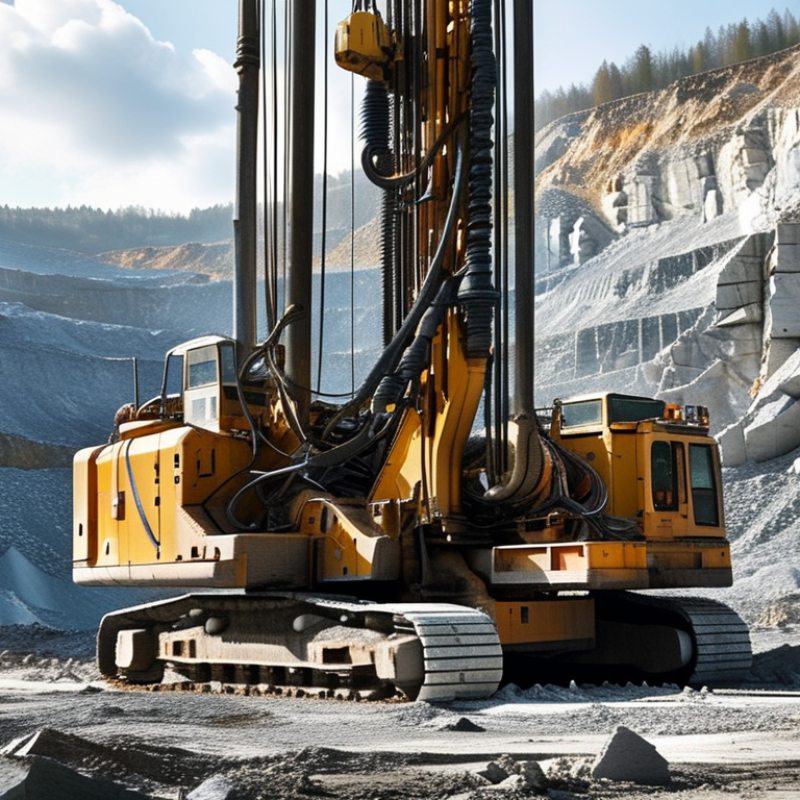
Why Choose a Hydraulic Rock Drill?
A hydraulic rock drill converts pressurized fluid into mechanical impact energy. A hydraulic pump supplies oil to a piston, which strikes the drill string repeatedly. Rotation and feed force then guide the bit through rock.
The system delivers high torque at low speed. That matters underground. It also performs well in hard, fractured formations.
Compared with pneumatic equipment, hydraulic transmission can reduce energy losses from compressed-air leakage. The U.S. Department of Energy reports that compressed-air systems can lose 20–30% of their output through leaks and poor maintenance.
This difference becomes visible at the workface, where hoses, dust, and heat challenge equipment daily.
A hydraulic rock drill still needs careful control. Incorrect oil temperature can slow piston movement and damage seals. Field technicians should check filtration, hose pressure, bit wear, and vibration exposure during every shift.
The U.S. Mine Safety and Health Administration recorded 40 mining fatalities in the United States in 2023, including 30 in metal and nonmetal operations. That figure does not prove a drill caused any incident. It does show why controlled operation and maintenance deserve equal attention.
ISO 5349-1 also requires vibration exposure assessment, yet many sites treat vibration as a comfort issue. That assumption needs reconsideration. A quieter cabin cannot compensate for poor drilling practice.
