In recent years, the demand for advanced rock drilling machines has surged. This growth reflects the increasing need for efficiency in construction and mining. Buyers are looking for machines that combine power, reliability, and user-friendly features.
Rock drilling machines are essential tools for various applications, from tunneling to site preparation. Selecting the right model is crucial, as it can significantly impact productivity. Not every machine fits every project, and clients must evaluate their specific needs carefully. Some machines may boast advanced technology but lack durability, leading to costly repairs.
As we approach 2026, the market for rock drilling machines is expected to evolve. New innovations will emerge, aiming to enhance performance and sustainability. Buyers should keep an eye on these trends while considering their budget and specific project requirements. Understanding the nuances of each machine can be a daunting task, requiring diligence and thoughtful analysis.
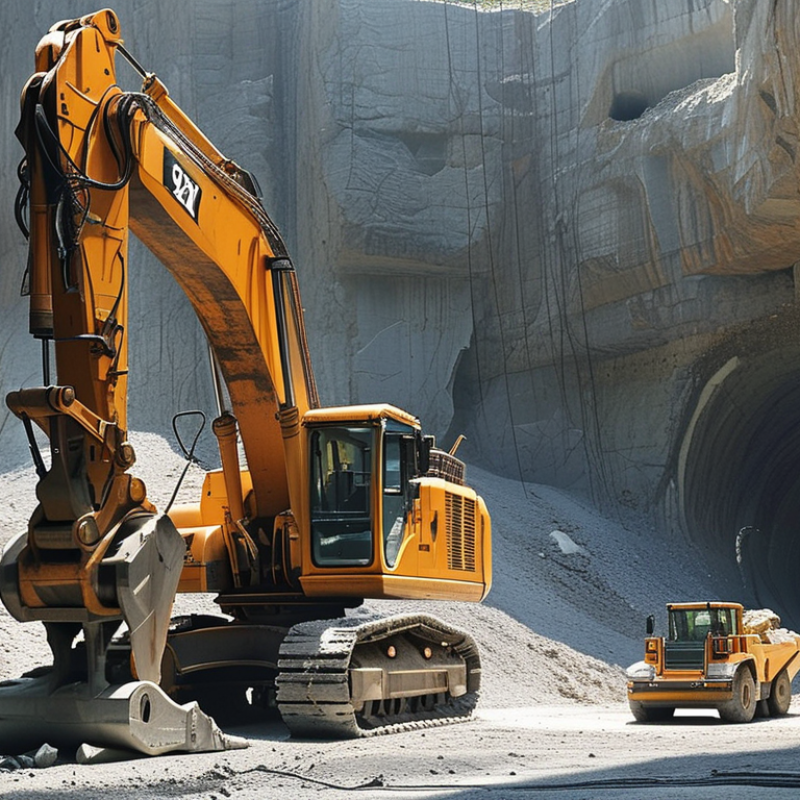
When selecting rock drilling machines, buyers should consider key features crucial for performance. Power and efficiency are essential. Machines with a minimum horsepower of 100 provide better drilling capabilities. According to recent industry reports, hydraulic systems have improved significantly. These advancements lead to increased speed and lower fuel consumption.
In addition to power, durability is vital. Rock drilling machines are often subjected to harsh conditions. Materials used in construction should withstand wear and tear. Steel and high-grade alloys offer excellent resilience. A study by the Mining Machinery Association highlights the importance of choosing machines with advanced cooling systems. They avoid overheating during prolonged use.
Another important aspect is the ease of maintenance. Complex machines can lead to downtime and increased costs. Features like accessible parts and user-friendly designs reduce maintenance time. Data from operational efficiency studies show that machines with better serviceability increase productivity by nearly 20%. Buyers may reflect on their long-term operational goals when making a choice.
The rock drilling machinery industry is set to evolve dramatically by 2026. Reports show that the global rock drilling market is expected to grow at a CAGR of 4.5% from 2021 to 2026. The surge is driven by advances in technology, increasing demand for mineral resources, and infrastructure development. Key brands in the market are expected to lead the charge, providing innovative and efficient solutions.
Manufacturers are focusing on producing machines that are both powerful and eco-friendly. Data indicates a growing trend toward electric and hybrid rock drills. These machines offer reduced emissions and lower operating costs, appealing to environmentally conscious buyers. However, it's important to consider reliability. Not all models perform well under extreme conditions, leading to potential downtime and costly repairs.
Moreover, buyers should assess the durability of materials used in machinery construction. The right choice can significantly impact long-term performance. Knowing which brands excel in quality assurance will be crucial for informed purchasing decisions in 2026. Such insights can shape investment strategies for stakeholders, ensuring they choose machinery that meets future demands efficiently.
| Machine Model | Drilling Diameter (mm) | Max Depth (m) | Weight (kg) | Power (kW) | Price Range (USD) |
|---|---|---|---|---|---|
| Model A | 105 | 50 | 1500 | 150 | $70,000 - $90,000 |
| Model B | 120 | 70 | 2000 | 180 | $80,000 - $100,000 |
| Model C | 140 | 60 | 2500 | 200 | $90,000 - $110,000 |
| Model D | 160 | 75 | 3000 | 220 | $100,000 - $120,000 |
| Model E | 110 | 40 | 1200 | 130 | $60,000 - $80,000 |
The rock drilling industry is rapidly evolving. Innovative technologies are reshaping drilling machines, enhancing efficiency and precision. Automation is a key trend, allowing machines to operate with minimal human intervention. This reduces labor costs and improves safety on demanding job sites. Advanced sensors and data analytics play a crucial role, offering real-time feedback to optimize drilling performance.
Tips for buyers: evaluate the durability of machines before purchasing. Look for features that ensure longevity and reduced maintenance. Consider the software support offered with machines. User-friendly interfaces can greatly improve the operation experience.
Electric and hybrid options are emerging as sustainable solutions. These machines produce fewer emissions, aligning with global environmental regulations. However, they often come with a higher initial cost. Reflecting on costs versus benefits is essential. The industry must balance performance with sustainability for the future.
Investing in training for operators is equally important. Even the best machines can underperform without skilled operators. Continuous education can enhance operational proficiency and extend the lifespan of the equipment. It’s essential to consider these aspects when selecting rock drilling machines in 2026.
This chart illustrates the projected market adoption rates of different rock drilling technologies in 2026, highlighting the growing preference for hydraulic systems, followed by pneumatic and electric models. The hybrid technology is expected to capture a smaller market share as innovations continue to evolve.
In 2026, global buyers must carefully evaluate the costs of rock drilling machines. Understanding the essential features will help make an informed decision. Typically, initial costs include purchase price, shipping fees, and installation charges. Maintenance costs can accumulate over time, influencing long-term investments.
Consider the specifications that matter. The right machine should support diverse projects. If you’re focused on efficiency, look for machines with high penetration rates and reduced downtime. Equipment that is easy to maintain often leads to lower operating costs.
Tips: Always compare prices from multiple suppliers. This can lead to better deals. Analyze the warranty and service options as they indicate reliability. If you encounter higher-than-expected expenses, reflect on machine versatility and overall performance. A machine that excels in various conditions may justify a more substantial initial investment.
Environmental regulations play a crucial role in shaping the rock drilling equipment market. As we approach 2026, these laws significantly affect buyers' decisions. Many regions are adopting stricter norms to reduce carbon emissions and promote sustainability. This shift necessitates the development of greener, more efficient drilling machines.
Manufacturers must prioritize eco-friendly technologies. Hydraulic systems, often used in drilling, are being redesigned to minimize environmental impact. Buyers are looking for machines that combine power with reduced energy consumption. The pressure to comply with regulations pushes companies to innovate, but progress can be slow. Transitioning to new technologies involves costs and retraining workers.
Stakeholders face challenges in balancing performance and compliance. Rock drilling projects must adapt to varying regulations across different regions. Each area may have distinct guidelines that complicate equipment selection. It's essential for buyers to stay informed about these changes to make the best decisions for their operations. An understanding of local regulations will guide companies in choosing suitable, compliant machinery.
: Aim for machines with at least 100 horsepower for better drilling capabilities.
Durability ensures machines can withstand harsh conditions and frequent use without failing.
Steel and high-grade alloys offer excellent resilience against wear and tear.
They prevent overheating during prolonged use, enhancing the machine's performance.
Look for machines with accessible parts that simplify servicing and reduce downtime.
Better serviceability can boost productivity by nearly 20% in operational efficiency.
The market may grow at a CAGR of 4.5%, driven by technological advances and demand.
They offer lower emissions and reduced operating costs, appealing to environmentally aware buyers.
Not all models perform reliably under extreme conditions, which could lead to costly repairs.
Assess the durability and quality assurance of materials used in the machinery's construction.
As the demand for efficient and reliable Rock Drilling Machines continues to rise, potential buyers in 2026 must consider various key features to ensure they select the right equipment for their needs. Important factors include the machine's power, durability, and operational efficiency, which directly impact productivity and cost-effectiveness.
In addition to evaluating features, understanding innovative technologies that are shaping the future of rock drilling is crucial. These advancements promise increased precision and reduced environmental impact, aligning with stringent regulations that dictate modern equipment design and operation. A comprehensive cost analysis also reveals the competitive landscape of the global market for Rock Drilling Machines, allowing buyers to make informed decisions that balance performance with budgetary constraints. Overall, prioritizing these aspects will aid in selecting the right Rock Drilling Machine for optimal performance in various applications.

KAT DRILLING