Top Rock Drill Rods for Optimal Performance and Durability?

Time:2026-06-13 Author:Sophia
0%

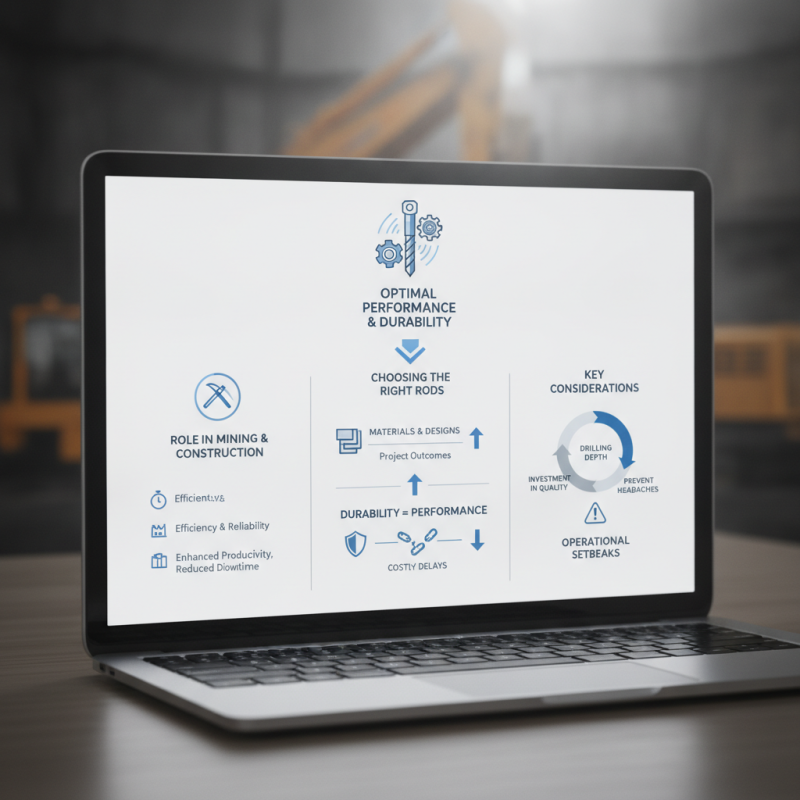
In the world of mining and construction, Rock Drill Rods play a critical role. Experts emphasize their significance for efficiency and reliability. "Quality Rock Drill Rods enhance productivity and reduce downtime," says Dr. James O'Reilly, a leading figure in drill technology.

Choosing the right Rock Drill Rods influences project outcomes. With various materials and designs available, it can be overwhelming. Durability is as crucial as performance. Many workers face challenges with rod wear and breakage, leading to costly delays.

Understanding Rock Drill Rods involves more than specifications. It requires insight into the conditions where they will be used. Selection should consider factors like rock type and drilling depth. Investing in high-quality rods can prevent future headaches. Overlooking these details might result in operational setbacks.
Top Rock Drill Rods for Optimal Performance and Durability?

Top Materials Used in Rock Drill Rod Manufacturing

When it comes to rock drill rod manufacturing, material selection plays an essential role in performance. High-quality rods require robust materials to handle demanding environments. Steel is a popular choice, known for its strength and durability. However, not all steel types offer the same benefits. Certain alloys enhance toughness, while others improve corrosion resistance. Each has its own unique advantages.

Another material gaining traction is composite fibers. These lightweight rods provide excellent flexibility while also delivering exceptional strength. They can withstand high-impact forces without bending or breaking. But there are downsides; they may not have the same longevity under extreme conditions as steel rods.

Lastly, tungsten carbide is often used for the tips of drill rods. This material, while more expensive, delivers outstanding hardness and wear resistance. It helps in optimal drilling efficiency. However, the balance between cost and performance must be carefully considered. Each material choice influences drilling outcomes, pushing engineers to innovate while still questioning which will ultimately lead to better results.

Key Features for Optimal Performance in Rock Drill Rods

When selecting rock drill rods, key features directly impact performance and durability. It's critical to consider the rod material. High-quality alloy steels offer enhanced strength and resistance to wear. A recent industry report highlighted that rods made from premium alloys can increase lifespan by up to 30%.

Rotational alignment is another aspect that shouldn’t be overlooked. Misalignment can cause premature wear and inefficiency. A well-aligned rod can improve drilling penetration rates by 15% to 20%. Pay attention to the threading as well. The threads should be designed for optimal torque transmission, which enhances stability during the drilling process.

**Tips:** Always assess the wear patterns of rods after use. This can reveal essential insights into performance issues. Furthermore, consider the environment where the rods will be used. Rocky terrains can necessitate specific features in rod design. Optimize your choice based on these factors for the best performance.

Top Rock Drill Rods for Optimal Performance and Durability

Rod Type Material Diameter (mm) Length (m) Weight (kg) Max Impact Energy (J) Durability Rating
Standard Steel High Carbon Steel 50 3.0 18 500 4.5/5
Heavy Duty Alloy Steel 64 4.5 25 800 4.8/5
Lightweight Aluminum Steel Composite 45 2.5 10 400 4.0/5
Impactor Reinforced Steel 60 3.5 20 600 4.6/5

Comparison of Durability in Different Rock Drill Rod Options

When choosing rock drill rods, durability is a key factor. Different materials and designs can significantly affect their lifespan. Some rods are made from high-strength steel, while others use advanced composites. The choice can impact performance during various drilling conditions.

In rigorous tests, the lifespan of rods varies. High-strength steel rods often show greater resistance to wear and impact. However, they may not perform as well in extremely hard formations. Conversely, composite rods can offer a balance of weight and durability. They can excel in softer soils but may not shine in tough rock conditions.

It's crucial to evaluate the specific needs of your project. Examine the geological environment and consider the drilling technique. A rod may perform well in one scenario but falter in another. Understanding these nuances is vital for making informed decisions.

Maintenance Practices to Extend Rock Drill Rod Lifespan

Rock drill rods are essential for effective drilling operations. Proper maintenance can significantly extend their lifespan. A well-maintained rod can last 30-50% longer, according to industry studies. Regular inspections are key. Look for signs of wear or corrosion. Early detection can prevent catastrophic failures and costly downtime.

Using appropriate lubrication is crucial. It minimizes friction and heat buildup. Over time, this can lead to fatigue and premature failure. Ensure to clean the rod thoroughly before applying lubricant. Dust and debris can compromise effectiveness. Keep in mind that even small particles can cause significant damage.

Tips: Regularly rotate your drill rods during operation. This practice can help distribute wear evenly. Additionally, store rods in a dry, temperature-controlled area. Extreme temperatures can negatively impact their performance. Always document maintenance activities. Tracking will help identify patterns and areas needing improvement.

Innovative Technologies in Rock Drill Rod Design and Production

The rock drilling industry is witnessing a significant transformation driven by innovative technologies in rod design and production. Recent studies show that advanced materials, such as high-strength steel and composite materials, have improved the performance and longevity of drill rods by up to 30%. This enhancement not only leads to reduced operational costs but also minimizes downtime.

Incorporating new technologies like digital monitoring systems allows for real-time performance tracking. These systems can analyze the conditions of the drill rods, detecting wear and tear before it becomes a critical issue. According to a report from an industry research firm, companies that adopted real-time monitoring reported a 15% increase in overall efficiency.

However, it's important to reflect on the balance between innovation and cost. As manufacturers push for cutting-edge designs, there is a challenge to maintain affordability. Some of these high-tech solutions may not be accessible for smaller operations. Striking a balance in investment can be a complex endeavor, and ongoing R&D is essential to ensure that advancements serve the entire industry fairly.

Top Rock Drill Rods for Optimal Performance and Durability

FAQS

: What materials are commonly used for manufacturing rock drill rods?

: Steel is a popular choice for its strength. Composite fibers offer flexibility and strength. Tungsten carbide is used for drill tips.

Why is material selection important in rock drill production?

Material impacts performance and durability. The right choice influences drilling efficiency and lifespan of the rods.

What are the benefits of using high-quality alloy steels?

They provide enhanced strength and wear resistance. Premium alloys can increase a rod's lifespan by up to 30%.

How does rotational alignment affect rock drill performance?

Misalignment can lead to wear and inefficiency. Proper alignment improves penetration rates by 15% to 20%.

What role do threading designs play in rock drill rods?

Threads need to support optimal torque transmission. This ensures better stability during drilling operations.

How can wear patterns of rods inform users?

Assessing wear patterns reveals important insights. These can indicate potential performance issues needing attention.

Are there drawbacks to using composite fiber rods?

Yes, they may lack longevity in extreme conditions compared to steel rods. This could affect overall drilling effectiveness.

How do environmental conditions influence rock drill rod selection?

Rocky terrains may require specific features for optimal design. Tailoring choices to conditions boosts performance.

Why is it important to balance cost and performance in material selection?

Some materials, like tungsten carbide, are expensive. Careful consideration ensures the best drilling outcomes without overspending.

Should engineers constantly question their material choices?

Yes, ongoing evaluation encourages innovation. It helps identify better options for improved drilling results over time.

Conclusion

The article delves into the essential aspects of Rock Drill Rods, focusing on materials and design features that enhance performance and durability. It highlights the top materials used in manufacturing these rods, emphasizing the importance of selecting the right composition to withstand harsh drilling conditions. Key features that contribute to optimal performance, such as tensile strength and flexibility, are discussed, along with a comparative analysis of the durability across various Rock Drill Rod options.

Additionally, the article outlines effective maintenance practices to prolong the lifespan of Rock Drill Rods, ensuring continued efficiency in drilling operations. Innovative technologies in design and production are also explored, showcasing advancements that lead to improved reliability and effectiveness. This comprehensive overview serves as a valuable resource for understanding the critical elements that define high-quality Rock Drill Rods in the industry.


Sophia

Sophia

Sophia is a dedicated marketing professional with an exceptional depth of knowledge about her company's products and services. With a keen understanding of market trends and customer needs, she crafts insightful blog posts that not only inform but also engage readers, enriching the company’s online......