Top 10 Rock Drill Bits For Hammer Drills You Need?

Time:2026-07-09 Author:Amelia
0%

In the construction and mining industries, the right tools can significantly influence project outcomes. Rock drill bits for hammer drills are no exception. According to a recent industry report by Grand View Research, the global market for drilling tools is projected to reach $16 billion by 2025. This emphasizes the growing importance of selecting effective rock drill bits for hammer drill applications.

Quality rock drill bits enhance efficiency and durability. However, many operators underestimate the impact of bit selection on performance. A study by the International Society for Rock Mechanics found that improper bit choices can lead to lower penetration rates and increased operational costs. The right rock drill bits for hammer drill not only reduce drill wear but also enhance productivity.

As the industry evolves, understanding the nuances in drill bit design becomes critical. Users often face challenges in identifying suitable products. This article introduces the top 10 rock drill bits for hammer drills, offering insights into their features and applications. Making informed choices can improve outcomes and minimize potential setbacks.
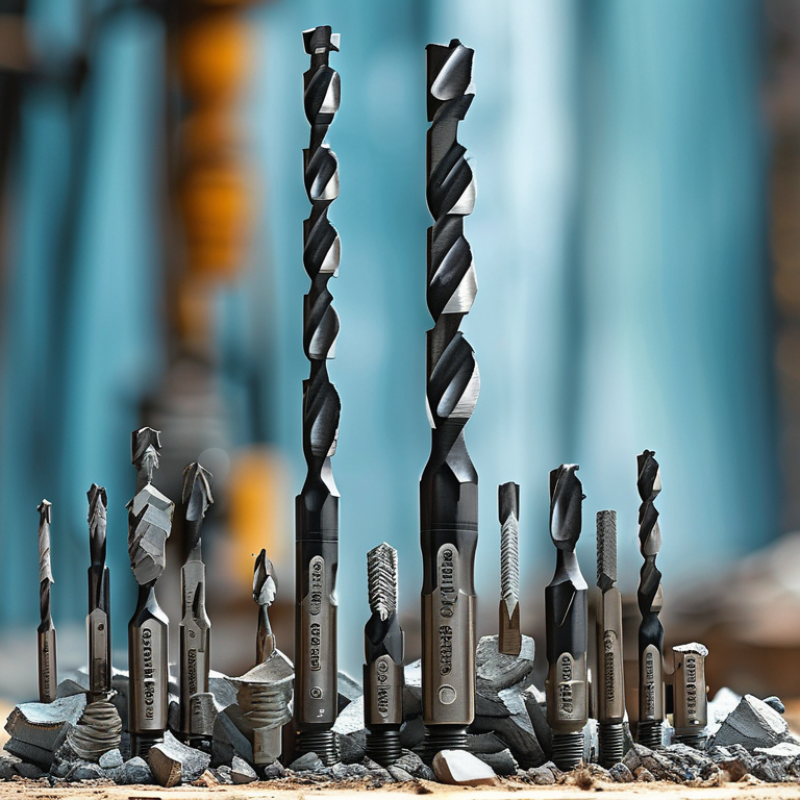
Top 10 Rock Drill Bits For Hammer Drills You Need?

Factors to Consider When Choosing Rock Drill Bits for Hammer Drills

When selecting rock drill bits for hammer drills, several factors should be considered. The type of rock or material you will work with is key. Different bits are designed for specific geological conditions. For instance, hard granite requires a tougher bit than softer limestone. Understanding these differences can save time and improve efficiency.

Another important aspect is the bit's size and tip design. A wider diameter can help with larger holes but may cause more resistance. The tip design impacts penetration speed and durability. Some tips are specifically crafted for rapid drilling, while others focus on longevity. Balancing these features according to your project needs is crucial.

Don't overlook the compatibility of the drill bit with your hammer drill. A poorly fitted bit can lead to inefficiency or damage. Regular maintenance and inspection of your bits will enhance their lifespan. Choosing the right rock drill bit involves a mix of knowledge, experience, and sometimes trial and error. The right choice not only improves your work but also minimizes frustration on the job.

Overview of Different Types of Rock Drill Bits Available on the Market

When selecting rock drill bits for hammer drills, it's crucial to understand the types available. The market offers several options tailored for various drilling needs. For instance, carbide-tipped bits provide durability and are suited for tough materials. These pieces are often preferred for their resistance to wear. In contrast, diamond drill bits excel in precision and can handle harder rock compositions effectively.

According to industry reports, carbide-tipped drill bits account for approximately 45% of the market due to their balance of performance and cost-efficiency. Diamond bits, while more expensive, have risen in popularity, capturing about 30% of the market share. This trend highlights the importance of investing in the right tools for the job.

Here are a few tips: always match the drill bit type to your specific application. Consider the rock hardness you'll encounter. Additionally, assess the size requirements and ensure compatibility with your hammer drill. Sometimes, users overlook the impact of proper lubrication, which can enhance bit performance significantly. Making informed choices could save time and resources, fostering greater project success.

Top 10 Rock Drill Bits For Hammer Drills

Bit Type Material Diameter (mm) Length (mm) Recommended Applications Price Range (USD)
SDS Plus Chisel Tungsten Carbide 16 250 Concrete Demolition $15 - $30
SDS Max Hammer Bit High-Speed Steel 28 400 Heavy-Duty Drilling $25 - $60
Diamond Core Bit Diamond Coated 50 300 Masonry Drilling $80 - $150
Tapered Rock Drill Bit Carbide 32 200 Mining and Quarrying $100 - $200
Rotary Hammer Bit Carbide Tipped 18 450 Concrete, Brick $10 - $25
Spiral Drill Bit HSS 22 250 General Purpose $8 - $20
Flat Chisel Bit Tungsten Carbide 30 300 Surface Preparation $20 - $40
Bull Point Chisel Carbide 25 300 Greasing and Breaking $15 - $35
Masonry Drill Bit Carbide Tipped 8 150 Masonry and Block $5 - $15
Auger Drill Bit Steel 50 600 Earth Drilling $30 - $70

Top 10 Recommended Rock Drill Bits for Enhanced Performance

When it comes to rock drilling, the choice of drill bits is crucial for performance. Quality bits enhance drilling efficiency and minimize wear on your hammer drills. Selecting the right type ensures you get the best results regardless of the project. From masonry to concrete, the right bits make all the difference.

Consider using carbide-tipped drill bits for tough materials. They last longer and drill faster than standard steel bits. If you are drilling into softer stone, diamond-coated bits can provide a smoother finish and better longevity. Ensure you regularly check your bits for wear and replace them when needed. This can save you time and frustration during your projects.

Tip: Always match the drill bit size to your specific hammer drill model. An incorrect fit can lead to reduced efficiency. Don't forget to use water or a cooling solution when drilling into hard materials for better results. Small adjustments can greatly impact your drilling success. Reflect on your past experiences with drill bits to improve your future choices.

Comparison of Materials Used in Rock Drill Bits

When selecting rock drill bits for hammer drills, the materials used significantly impact performance. Common materials include carbide, steel, and diamond. Carbide bits offer durability and can handle tough surfaces. Steel bits are generally more affordable but may wear out faster. Diamond bits provide excellent precision for hard rock but come with a higher price tag.

Choosing the right material is key. It determines how efficiently a bit will drill and how long it will last. For softer rocks, steel may suffice, but for granite or other hard materials, carbide or diamond is preferable. Over time, using the wrong material can lead to increased costs due to replacements.

Tip: Always assess the type of rock you’ll be drilling before purchasing bits. It can save you time and money. Another important aspect is ensuring bits are maintained. Regular cleaning can extend their lifespan. A well-cared-for bit performs better and creates cleaner holes.

Comparison of Materials Used in Rock Drill Bits

Maintenance Tips for Prolonging the Life of Rock Drill Bits

Maintaining rock drill bits is essential for optimal performance. Regular cleaning after each use can prevent debris buildup. A simple brush or compressed air can help remove dust. Accumulated particles can degrade bit quality quickly.

Inspecting drill bits for signs of wear is crucial. Look for chips or dull edges. These indicators suggest it’s time to sharpen or replace the bit. Make this a routine part of your maintenance. Sharp bits not only perform better but also make your work safer.

Proper storage is another key factor. Store drill bits in a dry, secure place. This practice prevents rust and keeps them organized. Consider using a dedicated storage case. Remember, neglecting these steps can lead to costly replacements and diminished productivity.

FAQS

: What materials are common for rock drill bits?

: Common materials include carbide, steel, and diamond, each with unique advantages.

Why is material selection important?

The material affects drilling efficiency and the lifespan of the bit.

When is it okay to use steel bits?

Steel bits are suitable for softer rocks, offering a more budget-friendly option.

How can I tell if a bit is worn?

Look for chips or dull edges. These signs indicate it may need sharpening or replacement.

What maintenance can prolong the lifespan of drill bits?

Regular cleaning and inspection are essential to prevent debris buildup and ensure optimal performance.

How should drill bits be stored?

Store bits in a dry, secure place to prevent rust and keep them organized.

What happens if I neglect drill bit maintenance?

Neglecting maintenance can lead to costly replacements and decreased productivity.

Can regular maintenance improve safety?

Yes, sharp and well-maintained bits perform better and enhance safety during use.

Is there a tip for choosing drill bits wisely?

Assess the rock type before purchasing bits to save time and money on replacements.

What tools can help in cleaning drill bits?

A simple brush or compressed air can effectively remove dust and debris.

Conclusion

When selecting Rock Drill Bits for Hammer Drills, it's essential to consider factors such as material durability, drilling efficiency, and bit compatibility with your specific hammer drill model. Understanding the different types of rock drill bits available on the market can significantly impact your drilling performance, as these bits vary in design, purpose, and effectiveness.

This article provides an overview of the top 10 recommended rock drill bits that enhance performance and offer insights into the materials used in their construction. Additionally, maintenance tips are included to help prolong the life of your rock drill bits, ensuring they remain effective for multiple projects. By carefully considering these aspects, you can make an informed choice and optimize your drilling experience.


Amelia

Amelia

Amelia is a seasoned marketing professional with a wealth of expertise in our company’s core offerings. With an unwavering passion for driving growth and innovation, she plays a pivotal role in shaping our marketing strategies and enhancing brand visibility. A key aspect of her responsibilities......