The demand for high-quality Hand Held Rock Drilling Machines has surged globally. These machines are pivotal in various sectors, including mining and construction. Their efficiency and portability make them an essential tool for today's operators.
A top-notch Hand Held Rock Drilling Machine not only enhances productivity but also ensures safety and ease of use. Many buyers struggle to identify the best options available. They often face challenges regarding durability, weight, and power requirements. The right choice can greatly impact work output and overall project success.
Challenges in selecting the ideal machine persist. Buyers must consider specific needs and applications. There are many options on the market, but not all perform equally. This creates a need for comprehensive understanding and careful evaluation of available products. The following insights aim to assist global buyers in making informed decisions for their Hand Held Rock Drilling Machine needs.
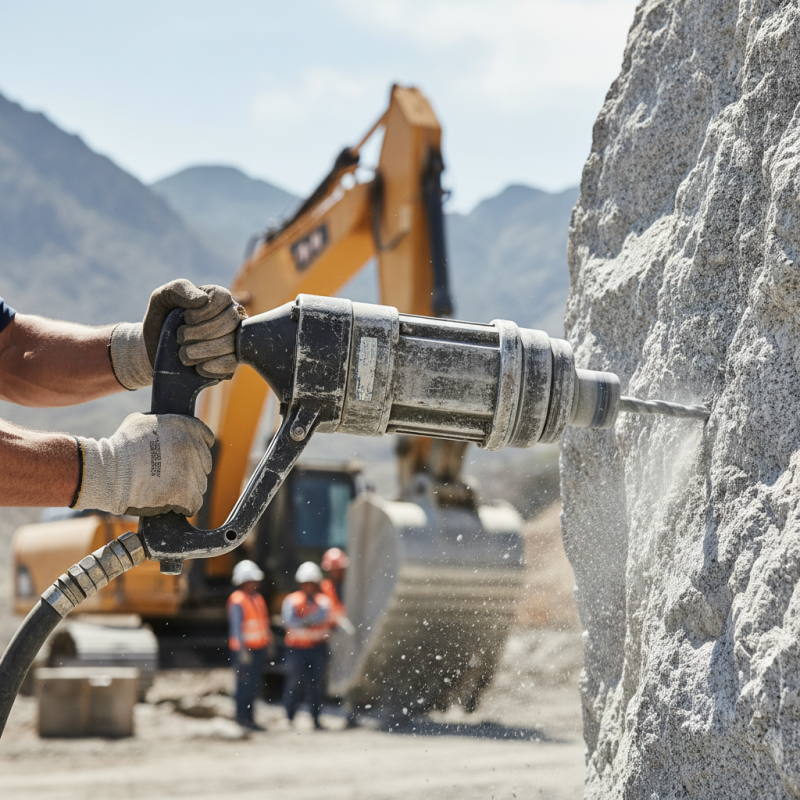
Hand-held rock drilling machines are essential tools in various industries. They enable efficient drilling in hard rock formations, providing versatility for different projects. Operators appreciate their compact design, which enhances mobility and ease of use.
These machines are especially useful in mining, construction, and geological exploration.
Features to consider include weight, power source, and drilling capacity. Operators often need to balance weight with performance. A lighter machine is easier to handle but may have lower power. Electric and pneumatic options are popular among users. Each has its own advantages and challenges.
Safety is a critical aspect of operation. Users must be trained to handle the equipment properly. Incorrect usage can lead to injuries or equipment damage. Regular maintenance is also necessary for optimal performance. Over time, wear and tear can affect drilling efficiency. Users should remain vigilant about their equipment's condition.
When selecting a hand-held rock drilling machine, several key features deserve attention. First, consider the weight of the machine. A lighter model is easier to handle, especially in challenging conditions. However, lightweight options may compromise power. Balance is crucial.
Next, think about the power source. Electric models are cleaner but may limit mobility. Gas-powered drills offer flexibility but often require more maintenance. Understanding the environment in which you will work can guide your choice. Ensure that the machine's drill bits are compatible with your project materials.
Moreover, ergonomics play a significant role. A well-designed grip can reduce operator fatigue during extended use. Vibration reduction technology can also enhance comfort and precision. Reflect on how frequently you'll use the machine. If it’s for occasional use, investing in high-end features might not be necessary. Assess your needs carefully before making a decision.
| Model | Weight (kg) | Power (HP) | Drilling Diameter (mm) | Drilling Depth (m) | Vibration Level (m/s²) | Noise Level (dB) |
|---|---|---|---|---|---|---|
| Model A | 8.5 | 2.5 | 32 | 8 | 6.0 | 98 |
| Model B | 9.0 | 3.0 | 38 | 10 | 7.2 | 100 |
| Model C | 10.5 | 4.0 | 40 | 12 | 8.0 | 95 |
| Model D | 11.0 | 3.5 | 45 | 9 | 7.8 | 92 |
The hand-held rock drilling market is diverse. Many brands offer unique features, catering to various needs. Buyers seek machines that excel in performance and durability. Some units are lightweight, making them easier to handle. Others focus on power and speed, essential for tough jobs.
Several manufacturers have established a reputation within this industry. They invest in research and development. Their teams consist of skilled engineers who innovate. Attention to ergonomics is crucial, as operators often face challenges with prolonged use. A better grip and reduced vibration can enhance productivity and safety.
Despite advancements, challenges persist. Some machines may underperform in extreme conditions. Quality control continues to be a significant focus. Buyers must consider these factors when selecting a drilling machine. Research, user reviews, and product testing are vital for informed decisions. Many options exist, but the right choice requires careful evaluation.
When selecting a hand-held rock drilling machine, performance and efficiency are crucial. These machines vary significantly in power and speed. A high-performance drill can penetrate hard rock efficiently. However, not all machines deliver the same results. Factors such as weight, vibration, and cooling mechanisms impact user experience.
Efficiency is often measured in terms of drilling speed and energy consumption. Some models excel in speed but consume more energy. Others may be slower yet more fuel-efficient. This trade-off can be vital for users who prioritize operational costs. Durability also plays a role; machines that wear out quickly can compromise performance in the long run.
User feedback is essential in understanding real-world performance. While some machines work well in laboratory conditions, field experiences can differ. Many users report issues like overheating or excessive vibrations, which can lead to operator fatigue. Evaluating these factors is critical before making a purchase. Collecting insights from multiple sources can help buyers make informed decisions.
The hand-held rock drilling equipment market is witnessing significant growth. This trend is driven by increasing construction activities and mining operations globally. According to a recent market report, the hand-held rock drilling equipment segment is projected to grow at a CAGR of 4.5% through 2028. This growth highlights the rising demand for efficient drilling tools in challenging environments.
Technological advancements are also playing a crucial role. Improved ergonomics in design and enhanced power sources, such as electric and battery-operated models, are gaining favor among users. A survey showed that over 70% of operators prefer lightweight options that reduce fatigue during extended use. However, the industry faces challenges such as fluctuating raw material prices and supply chain disruptions, which can impact production timelines.
Quality and safety standards are paramount. A focus on user training ensures proper handling and minimizes accidents. Industry experts recommend periodic audits to maintain compliance with safety regulations. While the innovation in hand-held rock drilling equipment is promising, ongoing issues like operator skill gaps pose potential risks. Addressing these concerns is essential for sustainable growth in the market.
: They are used for drilling in hard rock formations in mining, construction, and geological exploration.
Consider features like weight, power source, and drilling capacity to balance performance and handling.
A lighter machine is easier to use, but it may have less power than heavier models.
Electric and pneumatic options are popular, each with its benefits and challenges.
Proper training is needed to avoid injuries and equipment damage during operation.
Regular maintenance is essential to ensure optimal performance and address wear and tear.
Factors like vibration, cooling mechanisms, and energy consumption impact efficiency and comfort.
User feedback reveals real-world issues like overheating and vibrations, which help assess performance.
No, some machines may underperform in extreme conditions despite advancements in technology.
Some models may drill faster but consume more energy, which can impact operational costs significantly.
The article "Top Hand Held Rock Drilling Machine for Global Buyers" provides a comprehensive overview of hand held rock drilling machines, emphasizing their significance in various sectors such as construction and mining. It highlights the key features that buyers should consider when selecting a drilling machine, including power, weight, and ergonomics, which are crucial for efficiency and user comfort.
Additionally, the article examines the top brands and manufacturers in the hand held drilling market, offering insights into their performance and efficiency. It concludes by discussing global market trends for hand held rock drilling equipment, reflecting on the growing demand for portable and efficient drilling solutions. Overall, the article serves as a valuable resource for potential buyers seeking to invest in high-quality hand held rock drilling machines.

KAT DRILLING