Selecting the right tool for tough jobs is crucial. For professionals and DIY enthusiasts alike, a suitable Hammer Drill for Rock can make all the difference. These drills are designed specifically for drilling into hard materials, offering both power and precision.
According to a recent industry report by Markets and Markets, the global power tools market is expected to grow to over $45 billion by 2025, with hammer drills being a key segment. Their ability to combine rotary motion with percussive force makes them indispensable for tasks like masonry, concrete, and stone drilling.
Even with advancements, choosing the best Hammer Drill for Rock is complicated. Many consumers find it hard to navigate the plethora of options available. Reviews often highlight performance and reliability, yet users may overlook battery life or weight considerations. This guide aims to clarify these points. Understanding features and benefits is essential for making an informed choice. Users should reflect on their specific needs to ensure they select the right tool for the job at hand.
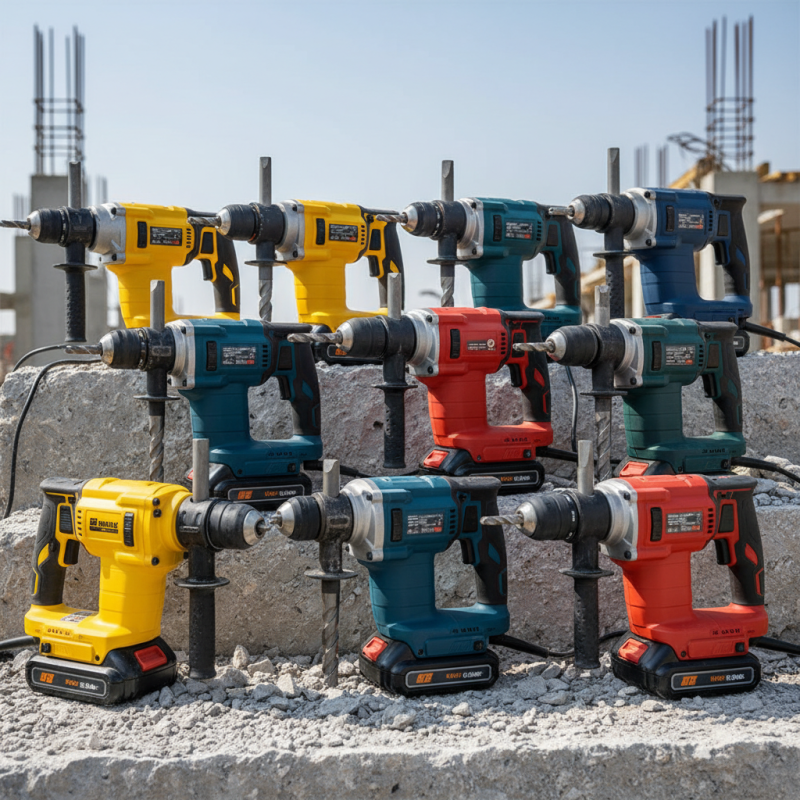
When choosing a hammer drill, key features play a significant role.
Power is essential. A higher power rating means better performance for tough jobs. Look for drills with adjustable speed settings. This allows you to control the drilling process precisely.
Many users overlook the importance of weight. A lighter drill can help reduce fatigue during long projects.
Another important feature is the torque setting. Adjustable torque helps prevent stripping screws and damaging materials. A good hammer drill should also have a comfortable grip. Ergonomics matter, especially during extended use. Check for built-in safety features as well. These can enhance reliability and protect the user from accidental injuries.
Battery life is often underestimated. A drill that quickly runs out of power can disrupt your workflow. Aim for models with long-lasting batteries or quick charge capabilities. Dust management is another factor. Some drills come with built-in vacuum systems.
This helps keep your workspace clean and safer. Investing time in understanding these features can ensure better performance and satisfaction.
When it comes to rock drilling, choosing the right hammer drill makes a significant difference. Not all hammer drills are created equal. The types vary based on their mechanism and intended use. Some are specially designed for masonry, while others excel in heavy-duty tasks.
Rotary hammer drills are popular for large concrete and rock projects. They combine rotation with impact, allowing for efficient drilling through hard materials. On the other hand, a hammer drill offers a more affordable choice for lighter tasks. It provides less power but is effective for DIY projects around the home. The choice depends on your project needs and familiarity with the tools.
Pneumatic hammer drills are another option. They use air pressure to generate powerful impacts. This makes them suitable for large-scale professional jobs. However, they require air compressors, adding to setup complexities. Battery-operated options create convenience but may lack the power needed for dense rock. Choosing a hammer drill sometimes feels daunting, but assessing your requirements can simplify the decision.
When searching for the right hammer drill, it’s essential to know which brands stand out. The market offers a variety of choices, each with its strengths. Some brands emphasize power, while others focus on user comfort. It can be overwhelming.
Quality often distinguishes the top brands. They provide reliable performance and innovative features. These manufacturers prioritize durability to withstand tough conditions. Many professionals trust them for heavy-duty projects. The ergonomic designs ensure ease of use, reducing fatigue during extended work hours.
However, some products may not meet individual needs, raising questions about their fit for specific tasks.
Reviews can help gauge a brand's reputation. Customer feedback sheds light on potential drawbacks. While a brand may excel in one area, it might lack in another. It’s crucial to research and compare models. What works for one user may disappoint another. In the end, selecting a hammer drill requires careful consideration of both brand reliability and personal requirements.
When it comes to hammer drills, user reviews are essential. They provide invaluable insights into real-world performance and reliability. Customers often highlight how well these drills handle tough materials. Many users appreciate the power delivered in compact models. Others note how weight impacts their use over time. Some find lighter drills easier to manage but wonder if they sacrifice durability.
Seal your purchase with careful consideration. Pay attention to reviews that mention long-term reliability. Look for feedback on battery life if you're choosing a cordless model. Not all hammer drills perform equally well. Some users report that specific models heat up quickly. This can affect the life span of the tool.
Don't forget about practical tips from seasoned users. Always wear safety gear, especially goggles. Keeping your workspace clean can prevent accidents. Additionally, read the manual to understand your drill better. Many users find that following manufacturer guidelines improves performance. Consider joining communities or forums to share experiences and gather advice.
Regular maintenance of your hammer drill is crucial for its longevity. Start by keeping it clean. Dust and debris can accumulate in the motor and trigger mechanism. Use a soft brush to remove dirt. This simple step can prevent overheating and reduce wear.
Inspect the drill bits periodically. Worn or damaged bits not only affect performance but also cause strain on the motor. Replace them when necessary. Lubricate the moving parts sparingly. Too much grease can lead to malfunction, but proper lubrication ensures smooth operation.
Check the power cord for any signs of damage. Frayed cables can pose safety risks. Always store the drill in a dry, safe place. Avoid leaving it in damp conditions. Regular checks on these elements can save you from costly repairs in the future. Neglect can lead to unexpected issues. Your hammer drill deserves attention, so give it the care it needs.
| Model | Power (W) | Weight (kg) | Max Torque (Nm) | Speed (RPM) | Price ($) |
|---|---|---|---|---|---|
| Model A | 800 | 2.5 | 45 | 2000 | 99.99 |
| Model B | 950 | 3.0 | 50 | 2200 | 119.99 |
| Model C | 700 | 2.2 | 40 | 1800 | 89.99 |
| Model D | 1000 | 3.5 | 55 | 2500 | 139.99 |
| Model E | 850 | 2.8 | 47 | 2100 | 109.99 |
| Model F | 900 | 3.1 | 52 | 2400 | 129.99 |
| Model G | 780 | 2.3 | 42 | 1950 | 94.99 |
| Model H | 920 | 3.4 | 54 | 2300 | 124.99 |
| Model I | 880 | 2.9 | 49 | 2050 | 109.99 |
| Model J | 950 | 3.0 | 50 | 2200 | 119.99 |
: Higher power ratings improve performance for tough jobs. It’s essential for effectiveness.
Adjustable speed allows precise control during the drilling process. This can lead to better results.
Lighter drills reduce fatigue during long projects. Heavier models can be tiring to use.
Adjustable torque prevents stripping screws. It also helps avoid damage to materials you are working with.
A comfortable grip matters for extended use. It enhances user comfort and reduces strain.
Drills with short battery life disrupt work. Long-lasting batteries or quick charge features are preferable.
Built-in vacuum systems keep your workspace clean. This contributes to safety during projects.
No, quality varies among brands. Some excel in power, while others prioritize comfort or durability.
Customer reviews reveal potential drawbacks. They provide insights into reliability and performance.
Compare models carefully. What works for one user may not meet another's specific requirements.
When selecting a hammer drill for rock drilling, it's essential to consider several key features that can enhance performance and efficiency. Look for factors such as power output, impact energy, and the drill's weight, as these attributes can significantly influence its effectiveness in tough rock materials. Understanding the types of hammer drills available for rock drilling, such as rotary hammers and combination drills, will help you choose the right tool for your specific needs.
In addition to key features, examining user reviews can provide insights into real-world performance and satisfaction. Observing what customers say about their hammer drills can guide new buyers towards making an informed decision. Lastly, proper maintenance tips should not be overlooked, as they are crucial for the longevity of your hammer drill for rock applications, ensuring that it remains reliable and efficient over time.

KAT DRILLING