When selecting a rock drill bit, understanding its importance is crucial. A rock drill bit is essential for efficiency in various drilling tasks. Choosing the right one can significantly impact performance, durability, and cost-effectiveness.
There are several factors to consider. For instance, the type of rock can affect drill bit selection. Hard rock requires a different bit than softer materials. The size of the bit also plays a role in the drilling process. Larger bits can cover more area but may lack precision.
Reflecting on user experiences helps gauge reliability. Some might choose based on cost alone, ignoring performance. This can lead to frequent replacements and increased costs. Ultimately, a well-chosen rock drill bit leads to a more productive and smooth drilling experience.
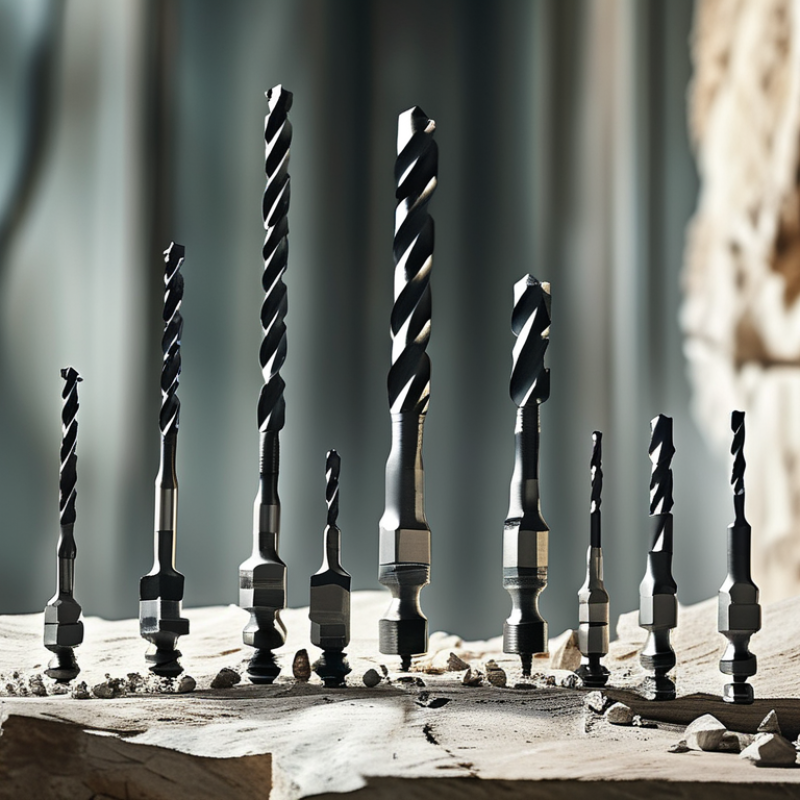
Selecting the right rock drill bit is crucial for optimal performance in geological exploration. Key factors include material composition, design, and drilling conditions. Studies show that carbide-tipped bits frequently outperform traditional steel options. They can last up to 50% longer in tough environments. The right choice can significantly reduce costs over time.
Another important consideration is the bit's geometry. The shape of the hole it creates affects drilling speed and stability. For instance, a sharper angle can enhance penetration rates but may affect durability. A recent industry report found that improper bit selection can lead to a 30% increase in downtime. These insights emphasize the need for careful evaluation.
Finally, awareness of geological conditions is vital. The rock’s hardness, texture, and moisture content play a role. Drillers often face unexpected challenges due to variability. Regular assessments and adjustments help in addressing performance issues. By understanding these factors, professionals ensure they make informed decisions, leading to better project outcomes.
| Feature | Description |
|---|---|
| Material Type | Choose between carbide, diamond, or steel based on the rock type. |
| Bit Diameter | Select an appropriate diameter for the hole size required. |
| Shank Size | Ensure compatibility with your drilling equipment. |
| Flute Design | Consider the design for effective debris removal and cooling. |
| Application | Different applications may require specialized bits (e.g., soft rock vs hard rock). |
| Cost | Balance between quality and budget constraints. |
When selecting a rock drill bit, understanding the material composition is crucial.
Carbide and steel bits serve different purposes, offering distinct advantages. Carbide bits, made from tungsten carbide, are hard and durable. They excel at drilling through tough materials like granite or hard rock. Their sharpness lasts longer, reducing the need for frequent replacements.
On the other hand, steel bits are often more affordable and versatile. They are suitable for softer rocks and general drilling tasks. However, they wear out faster in harder environments. This trade-off between cost and performance is essential to consider. A steel bit might be sufficient for a short-term project, but it may lead to frustration down the line.
It's important to weigh these factors against your specific needs. For projects requiring precision and longevity, carbide is often ideal. Yet, for lighter tasks, steel can be a practical choice. Reflecting on the operational environment will guide you in making a wise decision. Proper selection will enhance efficiency and productivity in your drilling efforts.
When selecting the right rock drill bit, understanding bit diameter and length is crucial. These factors significantly influence both drilling efficiency and speed. A larger diameter bit can remove more material with each rotation. However, it can also require more power and generate more heat. So, there’s a delicate balance to achieve.
On the other hand, the length of the drill bit affects penetration depth. Longer bits reach deeper formations but may encounter more challenges, such as increased bending or breaking. It's essential to assess your specific project needs. Sometimes, a shorter bit may prove more efficient in certain rock types.
Choosing the wrong diameter or length can lead to inefficiencies. For instance, if the bit is too long for the material type, it may not perform effectively. Likewise, an oversized bit can slow down the operation. Every drilling project is unique. Evaluating the geology and operational requirements will ensure you select the best bit for your tasks.
Choosing the right rock drill bit requires careful consideration based on the type of rock being drilled. Hard rock and soft rock have different properties, affecting performance and efficiency. According to a report by the International Association of Drilling Contractors, using the appropriate bit type can increase penetration rates by up to 30% in hard rock conditions.
For hard rock, bits often have thicker carbide tips. These tips offer better durability and wear resistance. In contrast, bits for soft rock may use softer materials that facilitate faster drilling. Incorporating features like aggressive cutting structures aids in optimal performance. A study from the Society for Mining, Metallurgy & Exploration highlighted that improper bit selection led to a 25% decrease in overall project efficiency.
Monitoring wear patterns and changing bits as needed further optimizes operation. Many operators tend to overlook the importance of bit life and performance metrics. This can lead to increased downtime and costs. Investing time in analyzing ground conditions and selecting the right bit proves beneficial in the long run. Performing regular assessments allows teams to gather data to inform future decisions on bit usage.
When selecting the right rock drill bit, cost-effectiveness is key. Longevity plays a significant role in this decision. A bit that lasts longer reduces the frequency of replacements. This means less downtime and more productivity. However, some bits may seem cheaper but wear out quickly. In the long run, they become more expensive. Analyze the material of the drill bit. Harder materials often last longer, but they can also be pricier.
Replacement frequency is another critical factor. Frequent replacements can lead to unexpected costs. Every time a bit is replaced, there are additional expenses. These include labor and downtime. Understanding your project’s demands can help in making informed choices. A bit tailored to your environment may cost more upfront but could save money over time. For example, a diamond-coated bit may handle tough stone better than steel.
Reliability is paramount. Investing in a high-quality bit may seem daunting. Yet, you will benefit from enhanced performance. It's essential to know the conditions where the bit will be used. Inconsistent results can hinder productivity. Striking a balance between initial cost and performance is vital. Take time to analyze options, ensuring informed decisions. Remember, investing in durability pays off in the long run.
: Consider material composition, design, and drilling conditions for optimal performance.
The shape of the bit impacts speed and stability. A sharper angle improves penetration rates.
A larger diameter bit removes more material but needs more power and generates more heat.
Bit length affects penetration depth. Longer bits reach deeper but can bend or break more easily.
Longer-lasting bits reduce replacements, minimizing downtime and costs. Cheaper bits may wear out faster than expected.
An inappropriate diameter can slow operations and reduce effectiveness in drilling tasks.
Understanding your specific geology allows for better bit selection, enhancing drilling efficiency.
The hardness and moisture content of rock can affect drilling performance. Regular assessments are essential.
Focus on high-quality materials suitable for your conditions to improve performance and reduce inconsistencies.
Investing more upfront in durable bits can lead to lower costs and higher productivity in the long run.
Choosing the right Rock Drill Bit is crucial for achieving optimal drilling performance in various geological conditions. Key factors include material composition, where understanding the differences between carbide and steel bits can significantly influence durability and efficiency. Additionally, the bit diameter and length are critical for enhancing drilling speed and effectiveness, making it essential to select the appropriate size for specific tasks.
Application-specific considerations further play a vital role; selecting bits tailored for hard rock versus soft rock can affect the overall performance of drilling operations. Finally, cost-effectiveness is an important aspect to analyze, as evaluating the longevity and replacement frequencies of Rock Drill Bits can lead to more economical decisions. By carefully considering these factors, users can ensure they are equipped with the most suitable drill bits for their needs.

KAT DRILLING