The Rock Drill Rig is a pivotal tool in the construction and mining industries, designed for drilling holes in various terrains. Research by MarketsandMarkets indicates that the global rock drilling market is projected to reach USD 7.45 billion by 2026, driven by infrastructure growth and mining activities. This equipment employs high-precision mechanisms, making it an indispensable asset for drilling projects.
Understanding how a Rock Drill Rig functions can deepen appreciation for its role in resource extraction and construction processes. These rigs use powerful hydraulic systems and rotary drills, enabling operators to penetrate hard rock with efficiency. However, challenges such as equipment maintenance and the need for skilled operators can sometimes undermine productivity.
In many cases, the effectiveness of a Rock Drill Rig relies heavily on the surrounding conditions and human expertise. While advancements in technology have improved drilling accuracy, the industry still faces hurdles like equipment failures and fluctuating market demands. This calls for constant evaluation and adaptation to ensure that these rigs meet the evolving needs of the industry.
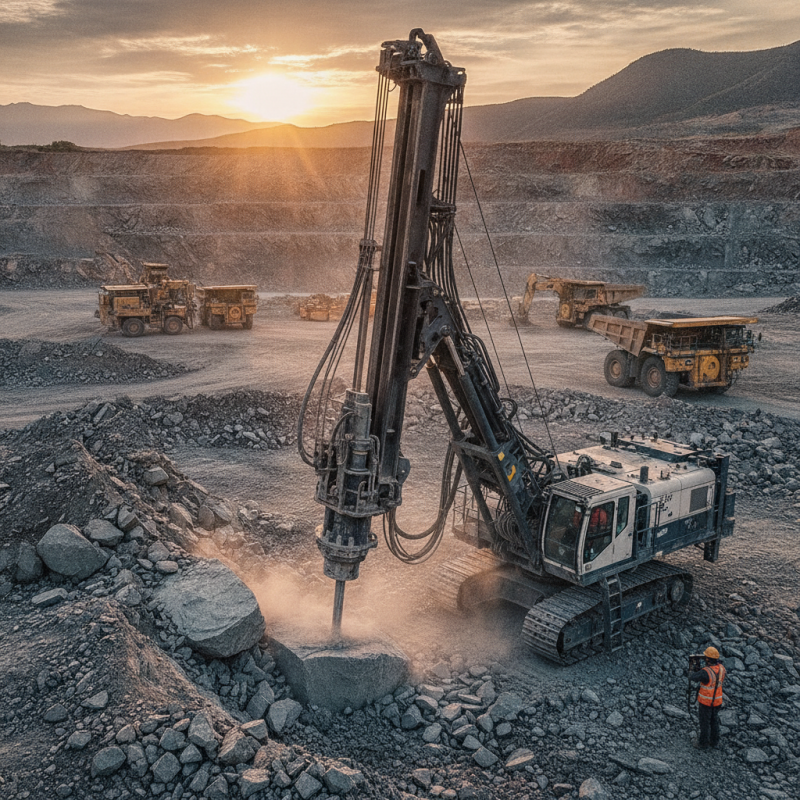
What is a Rock Drill Rig?
A rock drill rig is an advanced piece of machinery used primarily in mining and construction. It is designed to bore holes into hard surfaces like rock. With various components, this tool combines a drill, compressor, and hydraulic system. The rig ensures efficiency and precision in drilling operations, which can significantly impact project timelines.
The operation of a rock drill rig is quite fascinating. It utilizes high-pressure air or water to cool and lubricate the drill bit. The drill bit penetrates the rock surface, creating holes for explosives or for extracting core samples. Different rigs serve different purposes, depending on factors like rock hardness and hole depth. Many operations face challenges such as equipment wear and insufficient power supply. These obstacles require ongoing assessment and adaptation of techniques, which can lead to unexpected downtime or inefficiencies.
Overall, understanding the design and functionality of rock drill rigs is crucial for successful implementation in various projects. Their effectiveness relies on regular maintenance and skilled operators. Each project may reveal new insights, fostering a continuous learning process within the industry.
Key Components of a Rock Drill Rig
A rock drill rig is essential for construction and mining. Understanding its key components helps maximize efficiency and safety. Central to a rock drill rig is the drill itself. This component creates the hole in the rock by using high-pressure air or water to drive a drill bit. The choice of bit size can significantly impact drilling speed and penetration rates.
Tip: Regularly inspect the hydraulic system. Repairs can prevent costly downtime.
Another vital element is the rig chassis. It provides stability and supports the drilling mechanism. According to industry reports, a stable rig can increase productivity by 30%. This stability often depends on the weight distribution and ground clearance of the chassis.
Tip: Keep an eye on fuel efficiency metrics. Small changes can lead to significant savings.
The power system, typically diesel engines or electric motors, drives all components. Selecting the appropriate power source can ensure efficient operation and lower fuel costs. Some reports suggest that modern rigs can reduce fuel consumption by up to 20% compared to older models.
Lastly, the control system is crucial. It allows operators to adjust parameters like speed and pressure in real-time. Not all operators are trained equally, leading to potential inefficiencies. Recognizing the importance of operator training can enhance the overall effectiveness of the rig.
How Rock Drill Rigs Operate: A Step-by-Step Process
Rock drill rigs are complex machines designed for drilling into hard surfaces like rock and concrete. Understanding how these rigs operate is crucial for efficiency and safety. The process begins with site preparation, ensuring the area is clear of debris and hazards. Next, the rig is positioned securely, typically using a series of stabilizers to maintain balance during drilling.
Once the rig is steadied, the operator selects the appropriate drill bit based on the rock type. The drill bit is attached to the rotating drill shaft. The machine then operates using hydraulic technology to exert force and rotate the bit at high speeds. As drilling progresses, the rig expels, or clears, the rock cuttings using air or water. Monitoring the depth is essential, ensuring the correct hole size and positioning.
However, challenges often arise. Drill bits can wear out quickly, requiring frequent replacements. Improper positioning can lead to misaligned holes, impacting the project’s outcome. Operators must remain vigilant and adaptable throughout the process. Regular maintenance is crucial to prevent mechanical failures. Awareness of these potential issues enhances reliability and efficiency in rock drilling operations.
Rock Drill Rig Operational Efficiency
This chart illustrates key performance metrics of Rock Drill Rigs, including drilling speed, fuel consumption, maintenance time, operator experience, and depth capabilities. These factors contribute to the overall efficiency and effectiveness of the rig's operations.
Types of Rock Drill Rigs and Their Applications
Rock drill rigs are vital for various industries, from mining to construction. Understanding the types of rock drill rigs and their specific uses can greatly enhance project efficiency. There are mainly three types:
rotary drills,
percussive drills, and
diamond drills.
Rotary drills use rotating bits to penetrate rock. This type is efficient for creating large diameter holes. According to a recent industry report, rotary drills account for over 40% of total drilling activities in North America. Their application ranges from water well drilling to large-scale geotechnical projects.
Percussive drills feature a hammering action, ideal for breaking through hard rock. They are particularly effective in mining operations and large-scale excavations. The global market for percussive drills is expected to grow by 5% annually, driven by increasing infrastructure projects.
Diamond drills, while more specialized, are perfect for mineral exploration. They provide precision and minimal disturbance. Although their cost is higher, the return on investment can be significant when exploring valuable mineral deposits.
Tips: Always assess the geological conditions before selecting a rock drill rig. This insight can prevent costly mistakes. Additionally, consider the machine's maintenance needs, as neglected equipment can lead to project delays. Proper training for operators is crucial. It can enhance safety and improve drilling accuracy.
Maintenance and Safety Considerations for Rock Drill Rigs
When operating rock drill rigs, maintenance and safety are paramount. Regular inspections can prevent unexpected failures. Operators should check critical components, including drill bits, hoses, and hydraulic systems. Wear and tear can lead to accidents and costly downtime.
Tips for effective maintenance: Always keep a log of inspections. Document any unusual noises or performance drops. This information helps identify issues before they escalate. Ensure that all personnel are trained in basic maintenance tasks. An informed team enhances safety on site.
Safety protocols should never be compromised. Use personal protective equipment (PPE) such as hard hats, gloves, and hearing protection. Be aware of your surroundings. Potential hazards can include falling rocks and machinery movement. Implementing a buddy system creates an additional layer of safety. Missed connections or miscommunications can lead to serious accidents. Ensure effective communication at all times.
FAQS
: A rock drill rig creates holes in rock using high-pressure air or water to drive a drill bit.
The rig chassis provides stability and support, which can increase productivity by 30% if well balanced.
The power system, either diesel or electric, drives all components and affects efficiency and fuel costs.
Keeping track of fuel efficiency metrics can lead to significant savings over time.
Operators choose the right drill bit and monitor depth to ensure correct hole size and positioning.
Drill bits can wear quickly, and misalignment can occur, impacting project outcomes.
Proper training for operators can enhance efficiency and reduce mishaps during drilling operations.
Regular maintenance helps prevent mechanical failures and ensures reliable operations.
Improper positioning can lead to misaligned holes, affecting the drilling project’s success.
Yes, small adjustments in operation can lead to improved efficiency and cost savings in the long run.
Conclusion
A Rock Drill Rig is a specialized piece of equipment used primarily in mining, construction, and quarrying to drill into rock formations. Understanding its key components—such as the drill head, power supply, and hydraulic systems—is essential for efficient operation. The rig operates through a systematic process, which involves the initial site preparation, followed by the drilling of holes according to specified depths and angles.
There are various types of Rock Drill Rigs, each designed for specific applications, from surface drilling to underground operations. Ensuring proper maintenance is crucial to the rig's performance and longevity, alongside safety considerations to protect operators from potential hazards during drilling operations. By adhering to these guidelines, users can maximize the rig's efficiency and minimize risks associated with rock drilling activities.

 KAT DRILLING