Gas powered rock drills are essential tools in the construction and mining industries. They offer distinct advantages over electric models, especially in remote locations. According to a report by Market Research Future, the global rock drilling equipment market is expected to reach $7 billion by 2026. The gas powered rock drill segment is contributing significantly to this growth.
These drills are lightweight, portable, and provide high power output. They can operate in harsh environments where electricity is unavailable. Their ability to deliver efficient drilling speeds enhances productivity. This makes gas powered rock drills invaluable for projects requiring quick execution.
However, using gas powered equipment also raises questions about emissions and noise. While they are effective, operators must consider environmental impacts. Balancing efficiency with sustainability is vital. As the industry evolves, manufacturers are working towards greener technologies. Overall, the gas powered rock drill remains a critical tool, but reflection on its environmental footprint is necessary.
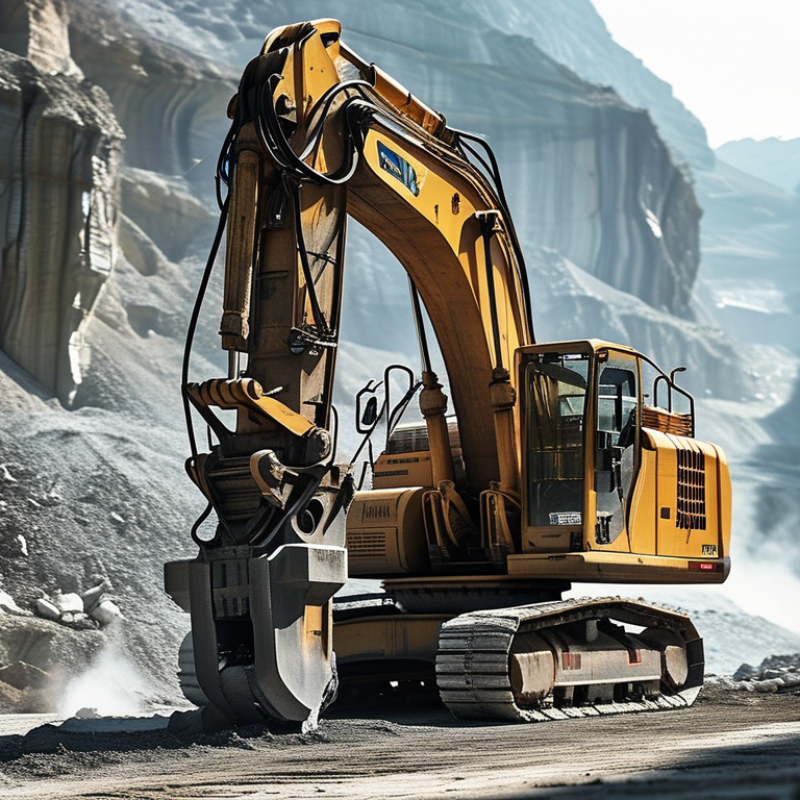
What is a Gas Powered Rock Drill and How Does It Work?
A gas powered rock drill is an advanced tool designed for drilling into hard surfaces. It works by utilizing a gasoline engine to generate torque, which then powers a rotating bit to penetrate rock. This method is particularly efficient in geology and construction where rock formations are prevalent. The drill often features a lightweight design, making it easier to transport and operate.
Operating a gas powered rock drill requires skill and experience. Users must consider factors like drill bit type and specific rock hardness. The gas engine can sometimes be noisy, and maintaining fuel levels is essential. Inefficient usage may lead to increased wear and tear on equipment, which might require costly repairs. Safety should always remain a priority when using such powerful machinery.
The versatility of this tool makes it popular among professionals in various fields. From mining operations to landscaping projects, gas powered rock drills serve multiple purposes. Yet, they can also impose environmental considerations, like fuel emissions and noise pollution. Users should reflect on these impacts, assessing how to mitigate them in practical applications.
Key Components of Gas Powered Rock Drills and Their Functionality
Gas powered rock drills are essential tools in construction and mining, delivering efficient drilling capabilities. Understanding their key components helps users maximize their effectiveness.
The engine is the heart of a gas powered rock drill. It converts fuel into mechanical energy. This energy drives the drill bit, penetrating hard rock. Proper maintenance of the engine is crucial. Overheating or lack of oil can lead to failures.
Another integral part is the drill bit itself. Different rock types require specific bits. Selecting the right bit improves drilling speed and longevity. Worn out bits can slow progress and increase costs.
Tips: Always inspect your drill bit before starting. A quick check can save time and hassles later. Additionally, keep spare parts on hand. This preparation reduces downtime during projects. Addressing issues promptly can prevent bigger problems down the line.
Lastly, the control mechanism allows users to manage drilling speed and torque. Understanding how to adjust these settings helps in tackling various rock formations. However, excessive force may damage both the drill and the rock. Finding the right balance is essential for effective drilling.
What is a Gas Powered Rock Drill Benefits and Uses? - Key Components of Gas Powered Rock Drills and Their Functionality
| Component |
Description |
Benefits |
Common Uses |
| Engine |
The power source that drives the drill |
Provides mobility and high drilling efficiency |
Mining, construction, and geological exploration |
| Drill Bit |
The cutting tool that penetrates the rock |
Efficiently breaks through various types of rock |
Rock drilling for foundations and surface mining |
| Air Compressor |
Supplies compressed air to power the drill |
Enhances hammering and drilling efficiency |
Used in open-pit mining and construction |
| Fuel Tank |
Holds fuel for engine operation |
Provides uninterrupted work ability |
Mobile operations in remote areas |
| Control Handle |
Mechanism to operate and regulate the drill |
Offers ease of operation and precision |
Fieldwork and varied geological environments |
Benefits of Using Gas Powered Rock Drills in Construction Projects
Gas powered rock drills offer significant advantages in construction projects. Their mobility is a key benefit. These drills can operate in remote locations without the need for electrical outlets. This feature saves time and increases efficiency on job sites. Workers can tackle various tasks with ease, from drilling holes to breaking rock surfaces. A gas powered drill can make quick work of tough materials.
The versatility of these drills is often underappreciated. They can be used in diverse applications, such as road building and mining. This all-around utility provides cost-effectiveness for construction companies. However, they require regular maintenance. Proper upkeep helps ensure optimal performance and longevity. Neglecting maintenance may lead to increased downtime.
One area to reconsider is noise level. Gas powered drills produce significant sound. Workers should use ear protection to prevent hearing damage. While they are powerful, the impact on the environment is a concern. Gas emissions, while lower than older models, still contribute to pollution. Balancing efficiency with environmental responsibility is an ongoing challenge in construction.
Industry Applications: Where Gas Powered Rock Drills Shine
Gas powered rock drills are vital in various industries. Their adaptability makes them useful in construction, mining, and geology. These tools excel in drilling through hard surfaces, enhancing productivity significantly. They are especially effective in remote areas where electric power sources are unavailable. This versatility allows workers to tackle jobs where traditional drills would struggle.
In mining, gas powered rock drills are indispensable. They can penetrate deep rock formations, enabling efficient extraction of minerals. This technology plays a crucial role in making harsh environments manageable. Many workers appreciate the mobility these drills provide. They are easy to transport and can be operated on uneven terrain.
However, challenges exist. Noise levels can be high, affecting communication on job sites. Additionally, fuel management requires attention. Workers often need to adapt to changing conditions. Learning to handle these drills efficiently takes practice, and not every operator may excel. Reflecting on experiences with gas powered rock drills can lead to better practices in the field.
Comparative Analysis: Gas Powered vs. Electric and Pneumatic Rock Drills
Gas-powered rock drills are widely recognized for their efficiency and power. They are essential tools in mining and construction. Compared to electric and pneumatic drills, gas-powered options often provide superior portability and robustness. According to industry reports, these drills can produce up to 20% more torque than their electric counterparts, allowing for faster drilling in tough rock formations.
Electric rock drills, while environmentally friendly, may struggle in remote locations where power supply is limited. They are also typically less powerful than gas models. However, they emit less noise and are lighter, making them easier to handle for smaller projects. Pneumatic drills, on the other hand, rely on compressed air. They are effective in specific applications but may face challenges in terms of mobility and air supply logistics. A study from the Construction Equipment Institute supports that gas drills outperform pneumatic tools regarding operational speed in most scenarios.
Despite these advantages, gas-powered drills require regular maintenance to ensure reliability. Frequent refueling can disrupt workflow. Furthermore, emissions from gas engines raise environmental concerns. The industry continues to seek innovations to improve efficiency while minimizing ecological impacts. Each option has distinct benefits and limitations. Choosing the right tool involves careful consideration of the project’s specific demands and constraints.
Comparison of Rock Drill Types: Gas Powered, Electric, and Pneumatic
This bar chart compares gas powered, electric, and pneumatic rock drills based on their power output and weight. Gas powered drills generally provide higher power output but come with added weight compared to electric and pneumatic options. This analysis can help in selecting the right drill for specific applications.
Conclusion
A Gas Powered Rock Drill is a robust tool designed for drilling into hard rock, utilizing gasoline for power. This article explores the working mechanism of gas powered rock drills, highlighting their key components such as engines, drill bits, and cooling systems, which enhance their functionality in tough environments. The benefits of using gas powered rock drills in construction are significant; they offer portability, high power output, and efficiency, making them ideal for various projects.
In addition to construction, gas powered rock drills excel in industry applications like mining and quarrying, where performance is critical. The comparative analysis of gas powered, electric, and pneumatic rock drills underscores the advantages of gas powered options, particularly in remote locations where electricity is not readily available. This highlights the versatility and effectiveness of gas powered rock drills across different sectors and usage scenarios.

 KAT DRILLING