How to Choose the Best Rock Drill Bit for Your Needs?

Time:2026-04-17 Author:Sienna
0%

Choosing the right Rock Drill Bit is crucial for efficiency in drilling operations. According to a report by the Global Mining Alliance, improper bit selection can increase operational costs by over 30%. This data highlights the importance of understanding your specific needs.

Expert James Thompson, a drilling technologies specialist, emphasizes, "Selecting the right Rock Drill Bit can significantly impact productivity." The market offers various options, each tailored for different materials and conditions. It's essential to consider factors like rock type, bit shape, and size.

With an array of choices available, the process can be overwhelming. Many users often overlook essential details. The right Rock Drill Bit must align with your drilling objectives. Thus, thorough research is necessary to avoid costly mistakes and enhance drilling efficiency.
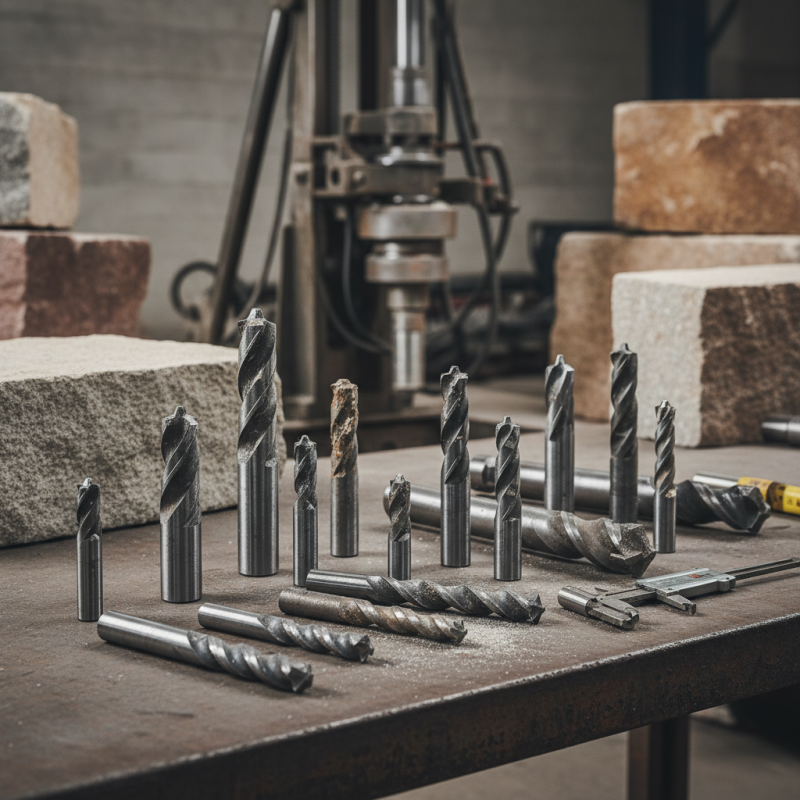
How to Choose the Best Rock Drill Bit for Your Needs?

Understanding Different Types of Rock Drill Bits Available in the Market

When selecting a rock drill bit, it's essential to understand the different types available. Each type serves unique purposes and works best in specific conditions. For instance, diamond bits excel in hard rock formations, while carbide-tipped bits are effective in softer materials. This clarity helps avoid costly mistakes during drilling.

Furthermore, consider the drilling environment. Some bits are designed for dry conditions, while others perform better when lubricated. Improper selection can lead to rapid wear and tear. It's crucial to assess your project requirements precisely. Think about the rock type and the drilling depth. Are you drilling through granite, limestone, or something else?

Additionally, understanding the bit's design plays a vital role. PDC (Polycrystalline Diamond Compact) bits offer longevity but may be more expensive. In contrast, roller cone bits are versatile yet less durable. Reflect on your budget and project timeline before deciding. A thoughtful approach ensures you choose the most suitable bit for your needs, saving time and resources. Striking a balance between quality and cost is often challenging and requires careful consideration.

Comparison of Different Types of Rock Drill Bits

This chart compares the performance ratings of various types of rock drill bits available in the market. Each type of bit has its advantages and suitability depending on the specific drilling needs.

Evaluating Rock Drill Bit Materials for Durability and Performance

When evaluating rock drill bit materials, durability and performance are paramount. The most commonly used materials include tungsten carbide, high-speed steel, and diamond composites. Tungsten carbide bits are lauded for their toughness. Reports indicate they can last up to twice as long as steel bits in certain geological conditions.

However, challenges exist with this high-performance material. In extremely hard rock formations, tungsten carbide may suffer from chipping or fracture. Similarly, while diamond bits offer exceptional longevity, they come with higher initial costs and specific use cases. Studies reveal that diamond bits can outperform other materials in abrasive environments, lasting 50% longer in some tests.

Choosing the right material means considering not just the rock type but also the site's unique conditions. Some companies report that using the wrong bit type can lead to increased downtime and higher operational costs. Thus, drilling professionals continually evaluate materials based on their performance metrics, ensuring they select the best option tailored to their specific needs.

Determining the Right Size and Compatibility for Your Drilling Equipment

Choosing the right rock drill bit is crucial for effective drilling performance. Start by assessing your drilling equipment. Different machines require specific sizes and types of bits. A mismatch can lead to inefficiency or even damage. Measure the chuck size on your drill. This will guide you in selecting a compatible drill bit.

Next, consider the application. Will you be drilling into soft rock or hard granite? The hardness of the material dictates the type of drill bit needed. Some bits are designed for general use, while others specialize in specific materials. It’s essential to understand the demands of your project.

Don’t overlook the importance of bit construction. High-quality materials can enhance durability and performance. However, more expensive bits might not always yield better results. Test different options to find which works best for you. Be open to experimenting, as this can lead to unexpected improvements in your drilling efficiency.

Assessing Bit Design Features for Your Specific Drilling Application

When selecting a rock drill bit, focus on its design features. Different applications demand different attributes. For instance, consider the bit's size and shape. A larger bit may provide a faster drilling speed but can also be harder to control. Conversely, smaller bits excel in precision but require more time.

Tips: Assess your specific drilling environment. If the rock is particularly hard, choose a bit designed for durability. Some bits have specialized carbide tips that enhance performance. Evaluate the terrain and hardness before making a choice. It may be useful to consult professionals for advice tailored to your situation.

Think about the cooling mechanisms of the bit. Proper cooling leads to extended lifespan and better efficiency. Bits without effective cooling may face overheating. This can reduce their drilling capacity. However, cooling systems can add complexity. Their effectiveness can vary based on the overall setup. Your drilling method may impact performance too. Always reflect on the compatibility of your tools with the specific bit design.

Comparing Cost and Quality: Finding the Best Value in Rock Drill Bits

When selecting rock drill bits, balancing cost and quality is essential. High-quality bits often come with a higher price tag. Yet, paying more does not always guarantee better performance. It's crucial to assess what you really need for your projects. Some tasks might not require the most expensive option. Understanding this can lead to significant savings.

Inspection of materials is critical. Different materials affect durability and drilling efficiency. For example, carbide-tipped bits last longer than steel ones but may also cost more. Think about the type of rock you will encounter. Softer stones may not need robust bits. This provides an opportunity to choose a cost-effective option.

Check reviews and user experiences. Real-world feedback can reveal the performance of various bits in similar conditions. Look for bits that offer a good balance of longevity and affordability. However, there will be instances where a cheaper bit might fail faster. This could lead to added costs in replacements. Reflecting on past experiences can guide future choices and may unveil valuable insights. Making informed decisions can ultimately lead to the best value in rock drill bits.

How to Choose the Best Rock Drill Bit for Your Needs? - Comparing Cost and Quality

Bit Type Material Diameter (mm) Cost (USD) Durability Rating Best Use
Percussion Bit Carbide 75 150 High Hard Rock
Diamond Bit Diamond Coated 90 300 Very High Concrete and Stone
Tungsten Bit Tungsten Carbide 65 100 Medium Soft to Medium Rock
Steel Bit High Carbon Steel 50 70 Low General Drilling

FAQS

: What are the key types of rock drill bits?

: Diamond bits work well in hard rock, while carbide-tipped bits excel in softer materials.

How does the drilling environment affect bit selection?

Some bits perform better in dry conditions, while others need lubrication.

What should I measure to ensure compatibility?

Measure the chuck size on your drill to choose a compatible bit.

Why is bit construction important?

High-quality materials enhance durability and performance but may not always justify a higher cost.

How can I balance cost and quality when choosing bits?

Assess your project needs. Sometimes, cheaper options are sufficient for softer rock.

What role do materials play in durability?

Different materials impact a bit's longevity. Carbide bits last longer than steel ones.

Should I rely solely on price for quality?

No, a higher price doesn't always guarantee better performance or results.

Why is user feedback important?

Reviews offer insights into a bit's performance under real conditions, helping to inform your choice.

How can I avoid making costly mistakes?

Understand your project requirements, including rock type and drilling depth, before selecting a bit.

What should I reflect on when choosing a drilling bit?

Think about your past experiences and be open to testing different options for better efficiency.

Conclusion

When selecting the best Rock Drill Bit for your needs, it's essential to understand the various types available in the market. Each design serves different purposes, making it crucial to evaluate their materials for durability and performance, as well as to determine the appropriate size that fits your drilling equipment.

Additionally, consider the specific features of the bit design that align with your drilling applications, as these can significantly impact efficiency and effectiveness. Lastly, a comparison of cost and quality will help you find the best value among Rock Drill Bits, ensuring that you achieve optimal results without overspending. By following these guidelines, you can make informed decisions that enhance your drilling projects.


Sienna

Sienna

Sienna is a skilled marketing professional with a deep expertise in our company’s core products and services. With a passion for innovation and detail, she plays a pivotal role in crafting insightful blog posts that not only highlight the unique features of our offerings but also provide valuable......