Best Hard Rock Drills for Efficient Mining Solutions?

Time:2026-08-23 Author:Ethan
0%

In the mining industry, efficiency is paramount. Hard rock drills play a crucial role in achieving this goal. According to the International Council on Mining and Metals, productivity can improve by up to 30% with the right drilling equipment. High-performance hard rock drills are essential for minimizing downtime and maximizing output.

The market for mining equipment is projected to grow significantly. A report by Grand View Research estimates that it will reach $191 billion by 2025. This growth signals a robust demand for advanced hard rock drilling solutions. Improved technologies in hard rock drills can lead to faster penetration rates and enhanced safety features, ultimately reducing operational costs.

However, selecting the best equipment is not straightforward. Many companies face challenges in balancing cost and performance. Potential buyers must consider factors such as rock hardness, drill bit life, and maintenance requirements. As the industry evolves, continuous innovation in hard rock drills becomes vital to maintain efficiency and competitiveness.
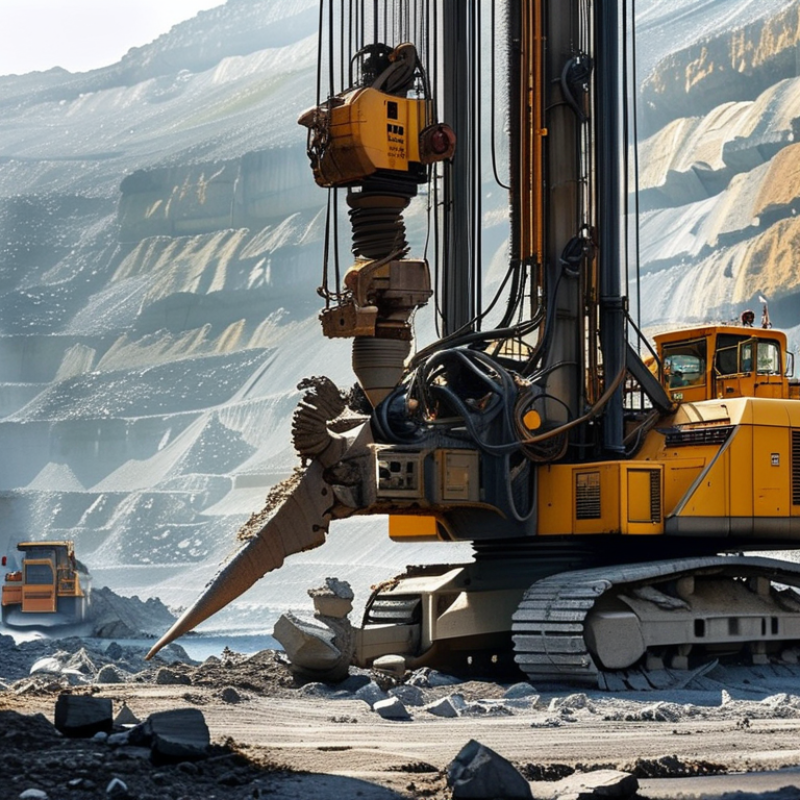
Best Hard Rock Drills for Efficient Mining Solutions?

Overview of Hard Rock Drilling Techniques in Mining Industry

The mining industry relies heavily on efficient hard rock drilling techniques. These techniques are essential for extracting valuable minerals from deep beneath the Earth's surface. A report by the International Council on Mining and Metals states that hard rock drilling can increase recovery rates by up to 30%. This improvement is crucial for maximizing resource extraction.

Various drilling methods exist, including rotary, percussion, and diamond drilling. Each technique has its own advantages and challenges. Rotary drilling is often favored for its speed. However, it requires significant power and can generate heat that may affect the drill bit. On the other hand, diamond drilling is precise and effective in accessing deep deposits, but it can be cost-prohibitive for some operations.

In recent years, innovation has played a key role in enhancing drilling efficiency. Technological advancements, such as automated drilling systems, are becoming more prevalent. These systems can reduce human error but still come with their own complexities and the need for skilled operators. Industry data indicates that while automation offers significant benefits, only 25% of companies have fully adopted this technology so far. This statistic highlights an area needing reflection as the industry considers the balance between innovation and the workforce's role in operations.

Best Hard Rock Drills for Efficient Mining Solutions

Drill Type Diameter Range (mm) Drilling Depth (m) Weight (kg) Preferred Terrain
Diamond Core Drill 30 - 150 1000 250 Granite, Hard rock
Rotary Drill 150 - 300 500 350 Sedimentary, Metamorphic
Down-the-Hole (DTH) Drill 100 - 200 500 400 Igneous, Desert terrain
Auger Drill 75 - 150 300 200 Soft rock, Soil
Continuous Miner Variable 1000 1000 Underground coal seams

Key Factors Influencing Hard Rock Drilling Efficiency

Effective hard rock drilling requires an understanding of several key factors. First, the choice of the drill bit is crucial. The right bit can significantly enhance efficiency. Different rock compositions and hardness levels demand tailored bit designs. This selection impacts penetration rates and overall drilling speed.

Another pivotal aspect is the operator's skill level. Experienced operators can adjust techniques based on real-time feedback from the equipment. Their ability to modify parameters leads to improved outcomes. Monitoring temperature and pressure also plays a vital role. High temperatures may indicate excessive friction, while pressure fluctuations can signal proper or improper drilling conditions.

When it comes to optimizing hard rock drilling, consider equipment maintenance. Regular checks can prevent downtime. Keep drill rigs and bits in top shape to maintain efficiency. Further, proper training for operators can mitigate costly mistakes. Encourage a culture of learning and adaptation, as each drilling project presents unique challenges. Modify strategies based on feedback and past experiences. This approach helps identify common pitfalls and prevents future inefficiencies.

Comparison of Conventional and Modern Hard Rock Drills

When comparing conventional and modern hard rock drills, efficiency is key. Conventional drills often depend on mechanical systems, which can be slow and cumbersome. They require frequent maintenance, leading to downtime. In contrast, modern drills utilize advanced technology, enhancing performance and reducing costs. They often incorporate automated features, improving precision and speed. This shift allows mining operations to become more effective.

Effective drilling requires careful planning. Identify the rock types in your area to select the right drill. Also, consider the depth and angle of the drilling. Adjustments to these factors can prevent equipment wear and enhance safety.

Operators must be aware of potential challenges. For instance, older drills may struggle with hard rock formations. This can lead to inefficient drilling and increased operational costs. Embracing modern drilling techniques can minimize these issues. Regular training and updates on evolving drilling technologies are essential for maintaining an edge. Always reflect on your methods to identify areas for improvement.

Case Studies: Successful Hard Rock Drilling Projects

In the realm of hard rock drilling, successful projects often rely on innovative approaches and careful planning. One notable case involved a mining company that utilized advanced rotary drilling techniques in a complex geological setting. The team conducted extensive geological surveys to identify rock formations and their associated challenges. This detailed groundwork allowed them to adjust their drilling parameters on the fly, leading to a more efficient process.

Another example showcased a project where a combination of automation and real-time data monitoring played a crucial role. The implementation of automated systems helped streamline operations, reducing human error. However, the team soon discovered that reliance on technology alone could be a double-edged sword. Technical issues sometimes arose, requiring quick thinking and adaptability from the crew. It highlighted the importance of training and a balanced approach between human expertise and mechanical support.

These case studies demonstrate that while drilling solutions can be optimized for efficiency, challenges are inherent in the process. Continuous learning and adaptation are critical. Each project offers valuable lessons and areas for improvement, ultimately shaping more effective hard rock drilling operations in the future.

Future Trends in Hard Rock Drilling Technologies and Innovations

The hard rock drilling industry is experiencing rapid technological advancements. Innovations are focusing on automation and efficiency. The Global Mining Guidelines Group reported that adopting automation could improve drilling precision by 30%. This shift aims to enhance safety and reduce costs. Operators are now utilizing sophisticated control systems to monitor drilling conditions in real time.

Future trends indicate a growing reliance on sustainable practices. Data from the International Council on Mining and Metals suggests that eco-friendly drilling technologies may reduce energy consumption by up to 40%. Additionally, research shows a demand for improved drill bits that last longer and perform better. Enhanced materials, like advanced carbide composites, provide increased durability and performance.

However, the transition is not without challenges. Many companies face resistance to change and high initial investment costs. Finding skilled workers remains challenging as well. Training programs must adapt to include new technologies. The industry's future heavily relies on finding a balance between innovation and practical application.

FAQS

: What are the main techniques used in hard rock drilling?

: The main techniques include rotary, percussion, and diamond drilling. Each has unique pros and cons.

Why is efficiency important in drilling operations?

Efficiency improves recovery rates. Increased recovery can enhance resource extraction significantly.

What challenges do older drilling methods face?

Older methods can be slow and require more maintenance. This leads to increased operational costs over time.

How can technology improve drilling efficiency?

Automated systems enhance precision and reduce human error. However, they require skilled operators and can complicate processes.

What factors should operators consider when planning drilling?

Operators need to identify rock types, drilling depth, and angle. These choices affect safety and equipment wear.

How can continuous learning impact drilling operations?

Continuous learning helps identify areas for improvement. Each project can teach valuable lessons for future operations.

What was a common challenge seen in case studies?

Relying on technology alone sometimes caused issues. Quick thinking and adaptability from the crew were essential.

Why is regular training important for operators?

Training keeps operators updated on new techniques. It also helps maintain an edge in ever-evolving technologies.

What indicates a need for reflection in drilling methods?

If projects encounter repeated challenges or inefficiencies, it's essential to reflect on methods for improvement.

Can successful drilling be achieved without planning?

No. Successful drilling requires careful planning and understanding of geological conditions to be effective.

Conclusion

The article "Best Hard Rock Drills for Efficient Mining Solutions" provides a comprehensive overview of hard rock drilling techniques employed in the mining industry. It discusses key factors that influence drilling efficiency, such as rock hardness, drill bit design, and operating conditions. The comparison section highlights the differences between conventional and modern hard rock drills, showcasing advancements that improve performance and reduce costs.

Case studies of successful hard rock drilling projects illustrate real-world applications and the effectiveness of various drilling solutions. Additionally, the article explores future trends in hard rock drilling technologies and innovations, emphasizing the ongoing evolution in equipment and methods that promise to enhance productivity and sustainability in mining operations. Overall, the best hard rock drills are essential for optimizing efficiency and addressing the challenges of the mining industry.


Ethan

Ethan

Ethan is a seasoned marketing professional with a deep expertise in our company's innovative product line. With a passion for sharing knowledge and insights, he takes the lead in regularly updating our corporate blog, where he explores industry trends, product features, and effective marketing......